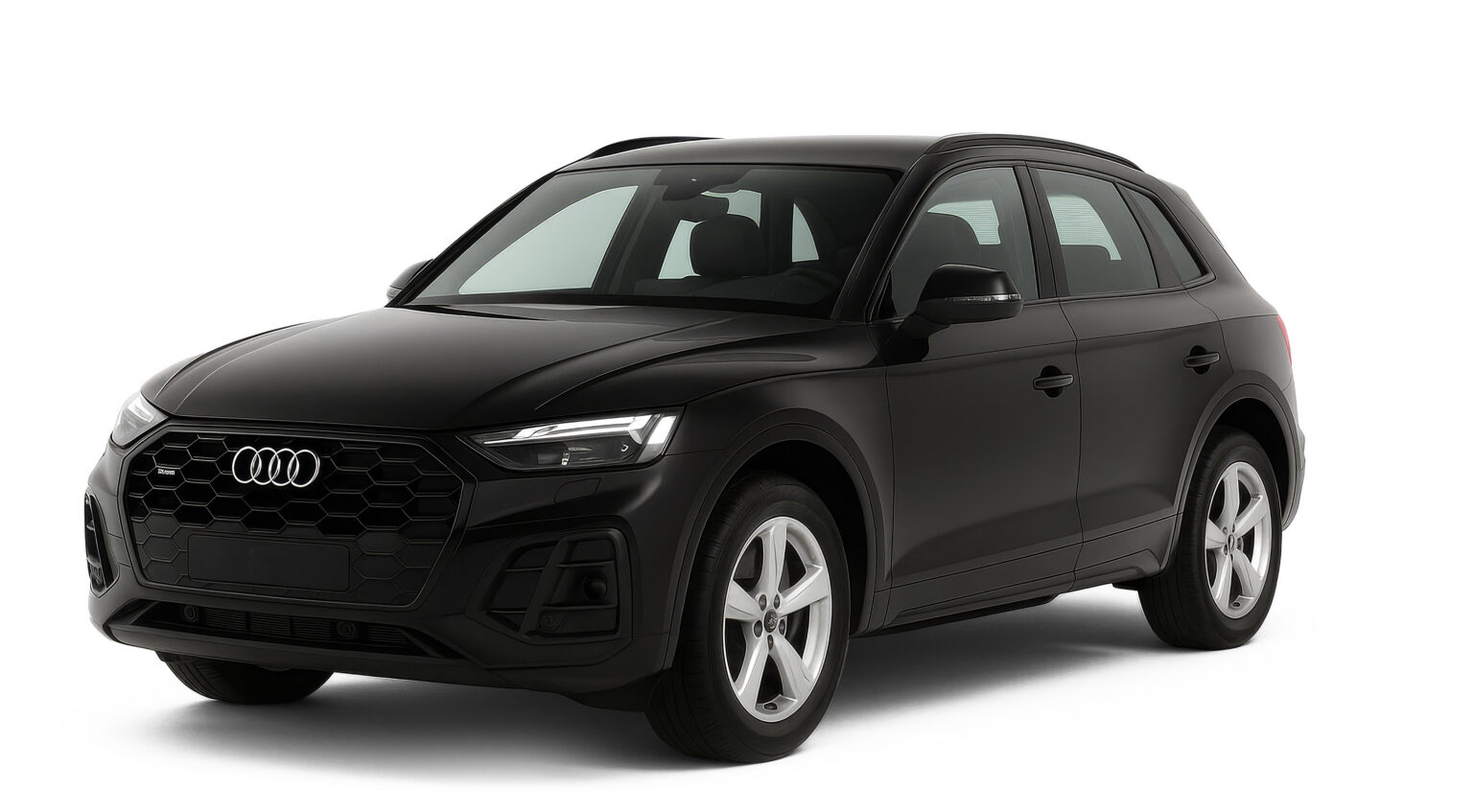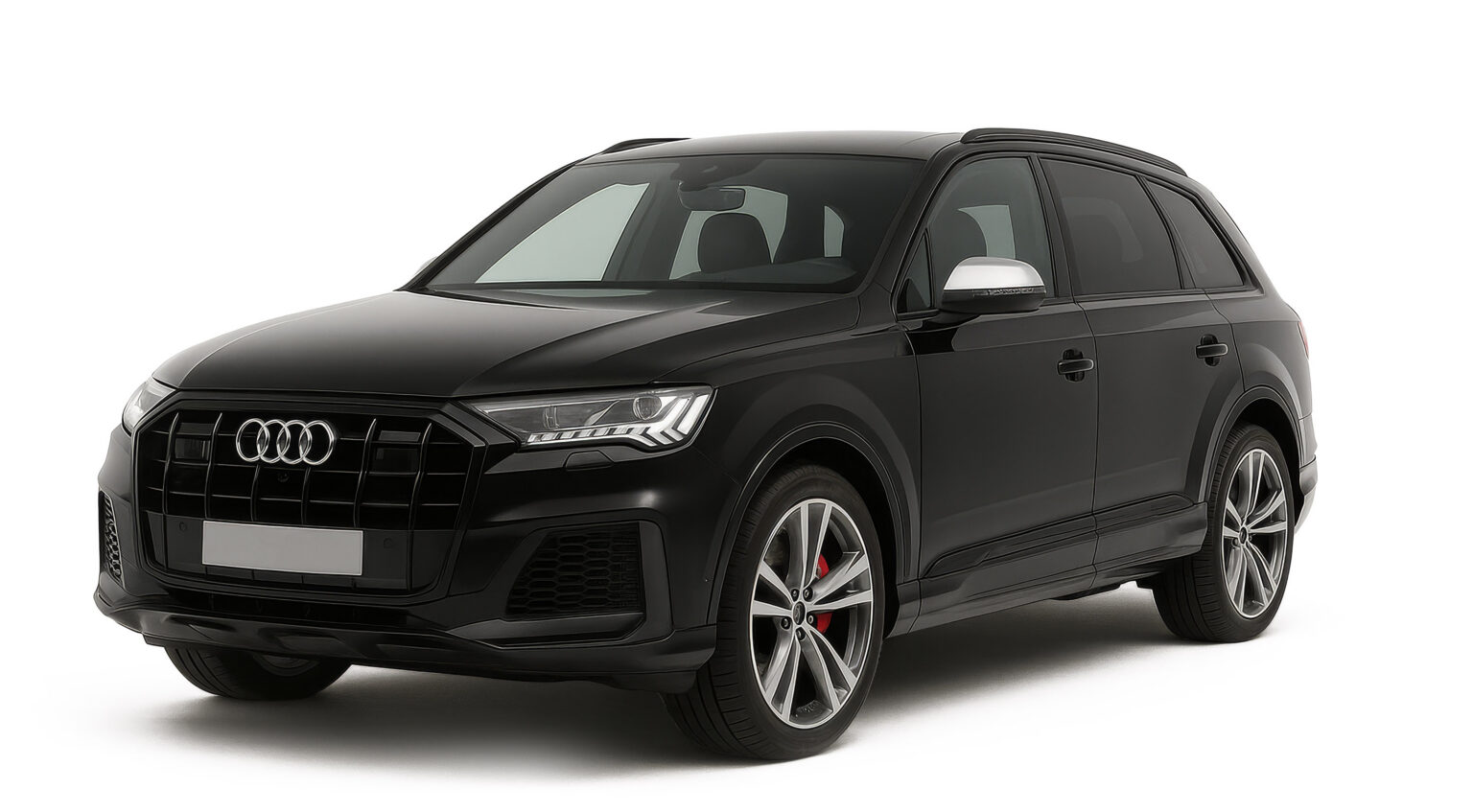

A car is unavoidable for many — for commuting to work, managing family logistics, and everyday errands. If you’re deciding whether to choose full-service leasing or buy a car, the smartest approach is to look at the facts, not just emotion or habit. Owning a car may feel “safe,” but in reality it often brings both time costs and financial surprises. Full-service leasing, on the other hand, is designed so you get the convenience of using a car while the provider takes on a large share of the risks.
Below are 10 important facts to help you compare full-service leasing and buying a car — and why, in many cases, the choice tends to favor full-service leasing.
1. One monthly payment = better control over your budget
The biggest advantage of full-service leasing is a predictable monthly cost. A single monthly payment often includes the most important car-related expenses (depending on the package), which means you don’t have to fear “surprise bills” each month.
Why does this matter? Budget planning is easier for both individuals and businesses because car costs don’t fluctuate sharply.
2. Fewer unexpected repair costs and less stress
When you buy a car, you are responsible for all repair risks — especially when the warranty has ended or the car was bought used. With full-service leasing, maintenance and often wear items and technical support are part of the package, which significantly reduces the likelihood of unexpected expenses.
Result: less worry, less time spent, more peace of mind.
3. Depreciation is not your problem
A car loses value fastest in the first years. If you buy a car, you pay for that loss in value yourself. With full-service leasing, you don’t have to think about what price you’ll sell the car for later or whether the market price has dropped — the residual value risk is usually on the provider’s side.
4. Maintenance, tires, and logistics: a service, not a project
As a car owner, you handle yourself:
- planning maintenance,
- tire changes and storage,
- finding a suitable service center,
- booking time and taking the car in and picking it up.
Full-service leasing reduces this burden because the services are often organized systematically. For many, this is the biggest “invisible win”: time and nerves.
5. A newer car means greater reliability and safety
The full-service leasing period is usually 2–5 years, which means you tend to drive a newer car. Newer cars have:
- better safety and driver-assistance systems,
- better fuel economy/efficiency,
- a lower likelihood of breakdowns.
When buying a car, especially a used one, you may get a good price — but also inherit hidden faults.
6. Insurance is often simpler (and protection is better)
Full-service leasing often comes with a requirement for comprehensive insurance, and in some packages the insurance is already included in the monthly payment. While you should always review the terms (deductible, glass damage, parking dents), the overall picture is clear: risk management is better than as an owner with a “cheap” policy and an “it probably won’t happen” strategy.
7. Replacement car and roadside assistance: disruptions are shorter
If your purchased car goes in for repairs, a replacement car is sometimes at your own expense and costly. With full-service leasing, a replacement car and roadside assistance are often part of the package or can be arranged more affordably.
Practical advantage: your work and life don’t come to a standstill if something happens to the car.
8. Mileage is agreed — and often more flexible than people think
Full-service leasing usually has mileage packages, but this doesn’t have to be a downside. If you know your average mileage, you can choose the right package. When you buy a car there’s no limit, but high mileage:
- accelerates wear,
- reduces resale value,
- increases maintenance and repair needs.
Full-service leasing helps you budget the “cost of wear” in advance.
9. For businesses: better fleet management and time savings
For companies, full-service leasing is often especially logical because:
- costs are predictable,
- administrative burden is lower,
- renewing the car is easy,
- employee mobility is better ensured.
In addition, a service-based approach is often clearer in accounting (details of course depend on the company’s situation and how the car is used).
10. Owning a car isn’t the goal — the goal is worry-free mobility
Many choose full-service leasing precisely because they don’t want the responsibilities of being a “car owner.” They want a car that:
- works,
- is safe,
- has clear costs,
- doesn’t require constant attention.
Full-service leasing meets this need better than buying a car, because it is a service, not a “project.”
Summary: why is full-service leasing usually more sensible than buying a car?
If what matters to you is convenience, a predictable monthly cost, and lower risk, the choice usually leans toward full-service leasing. Buying a car may suit you if you’re ready to take on repairs, depreciation, and the time it takes to manage the car. But for many, this “hidden cost” is greater than it seems at first.
Full-service leasing gives you:
- a stable budget,
- fewer surprises,
- a newer and safer car,
- less time spent and more peace of mind.