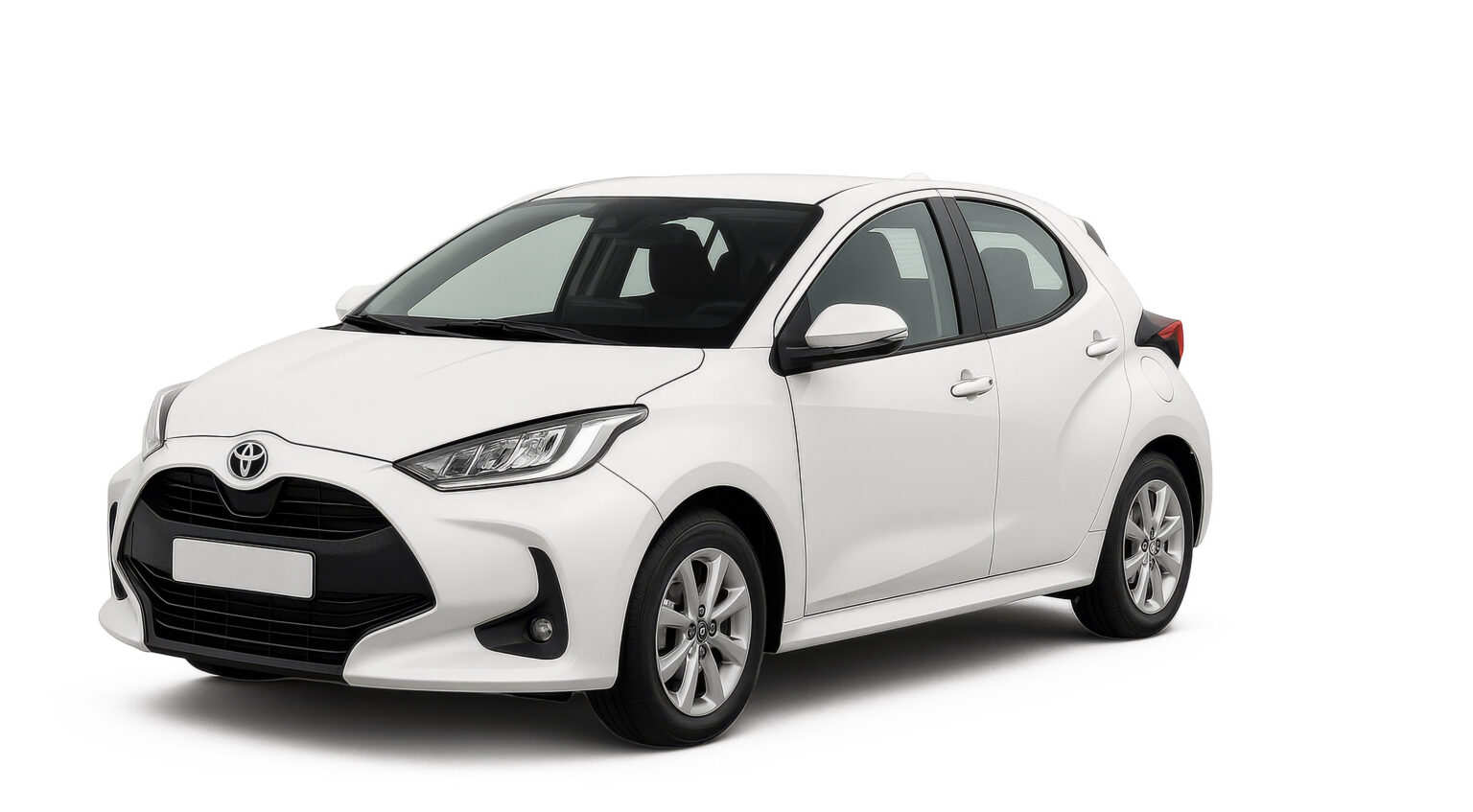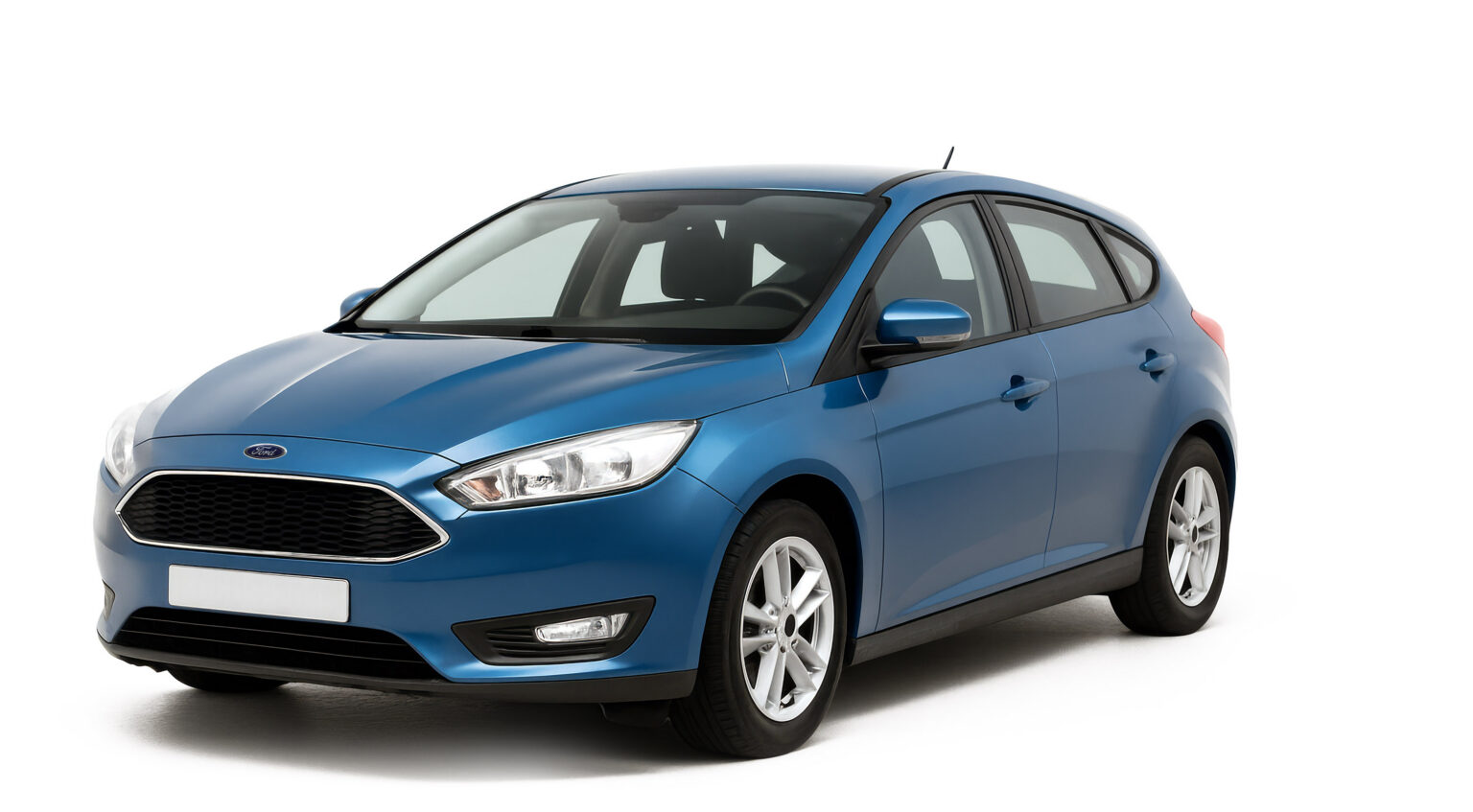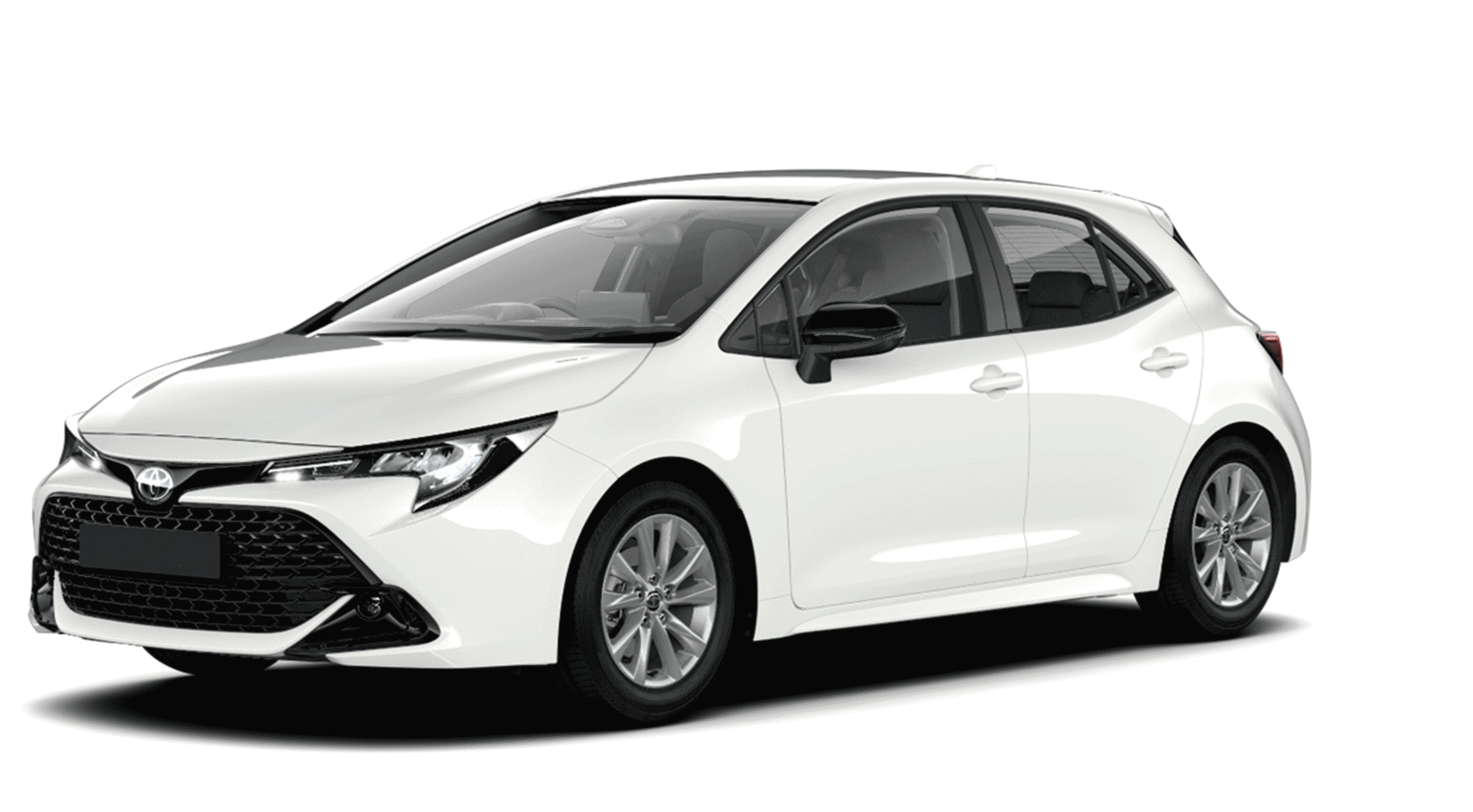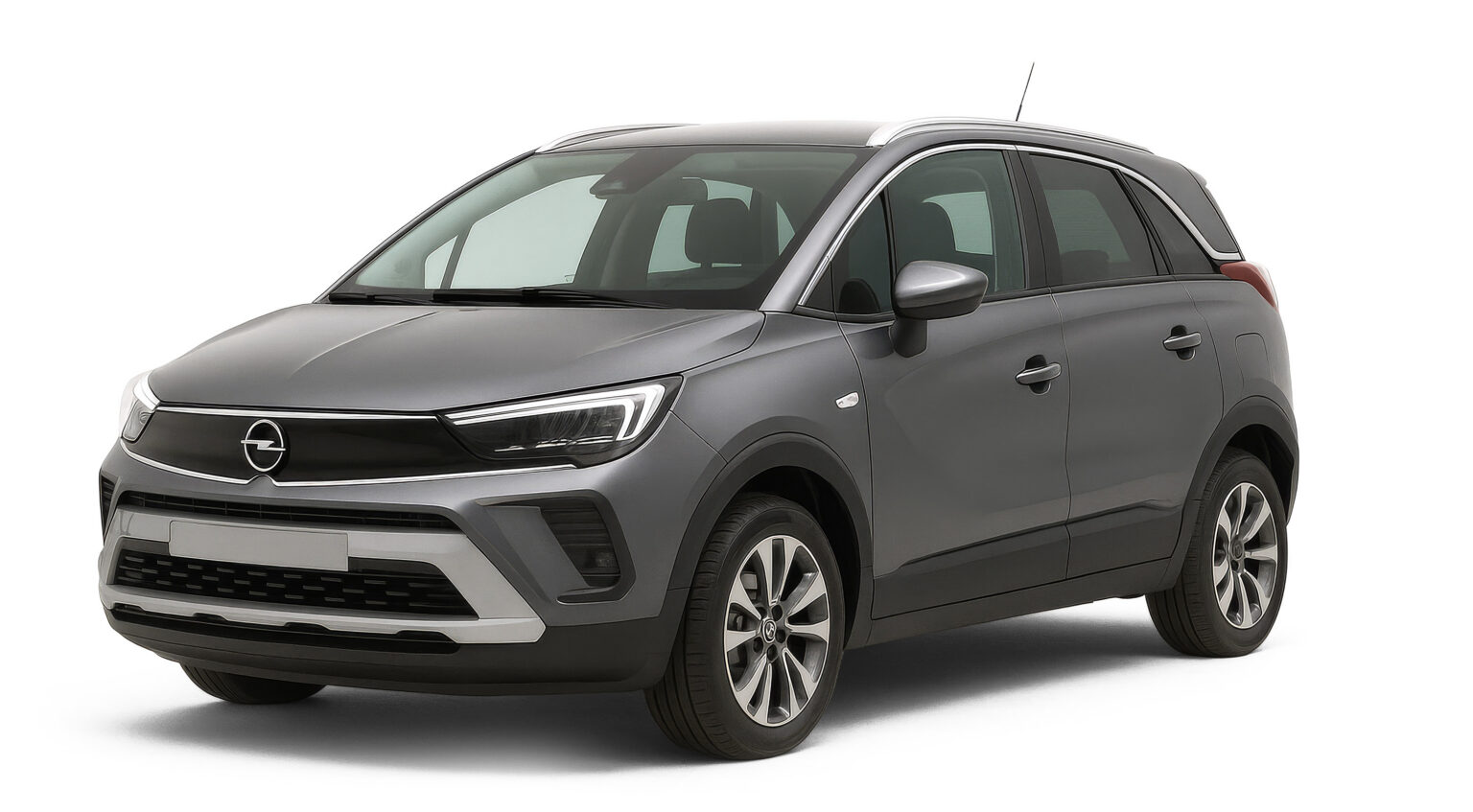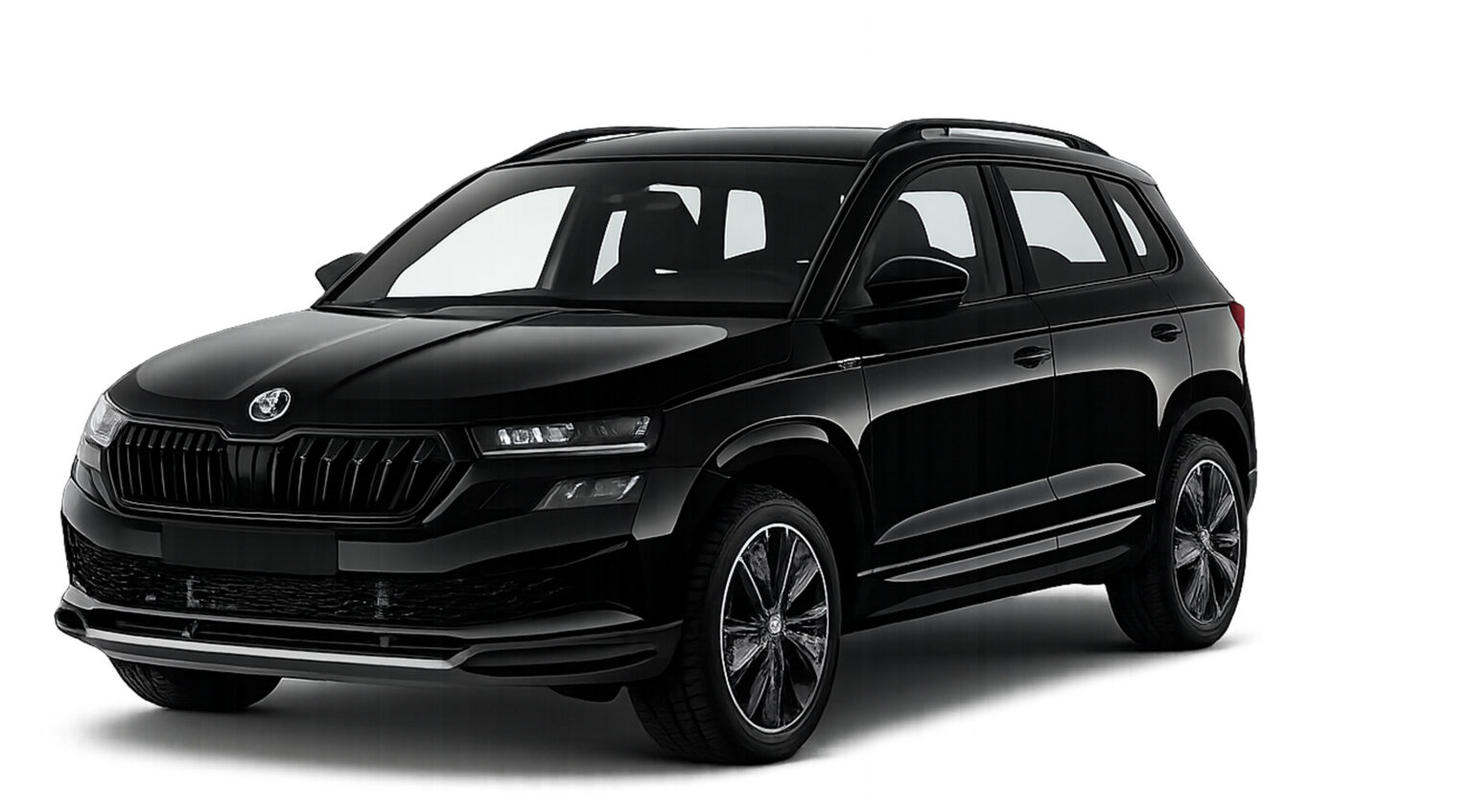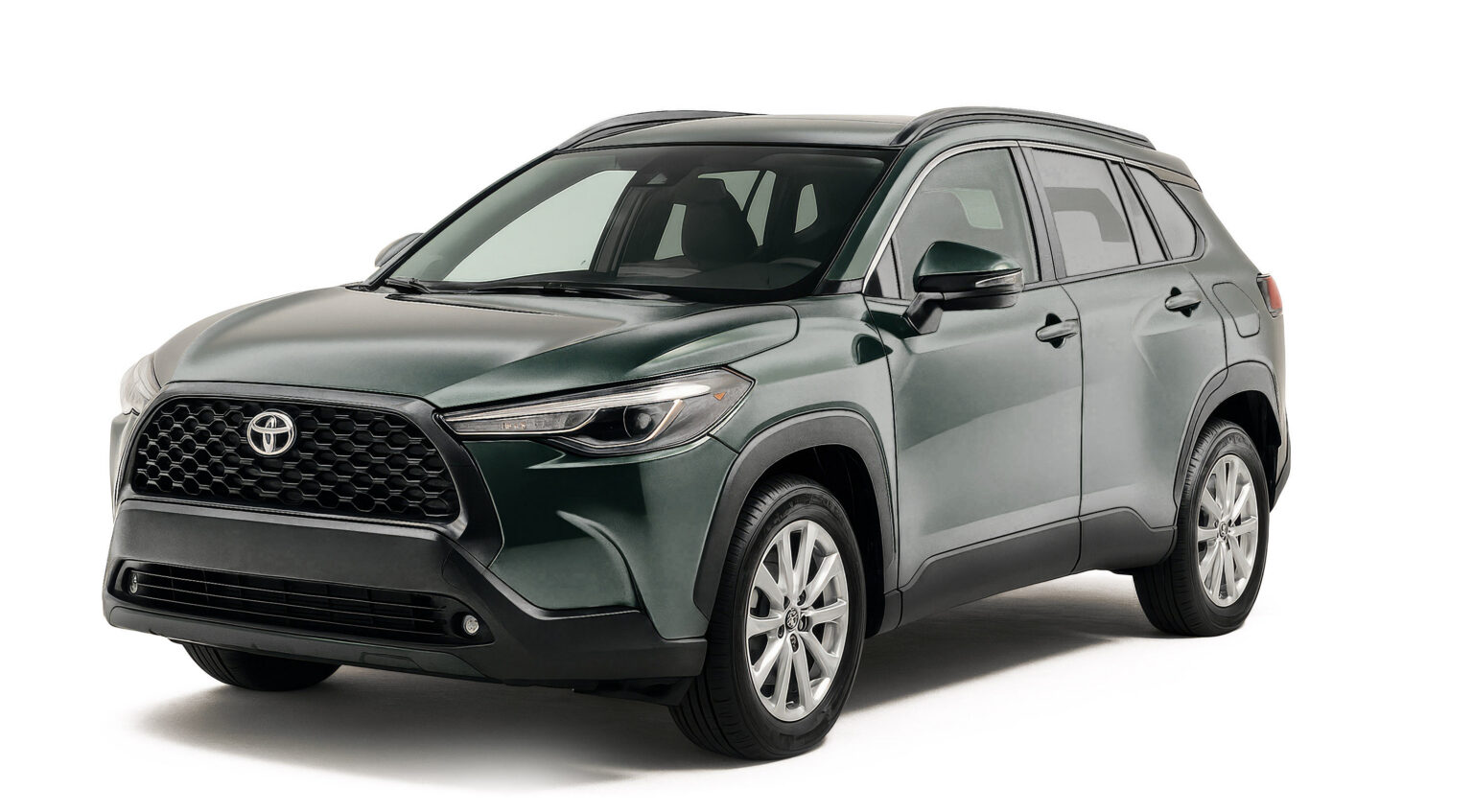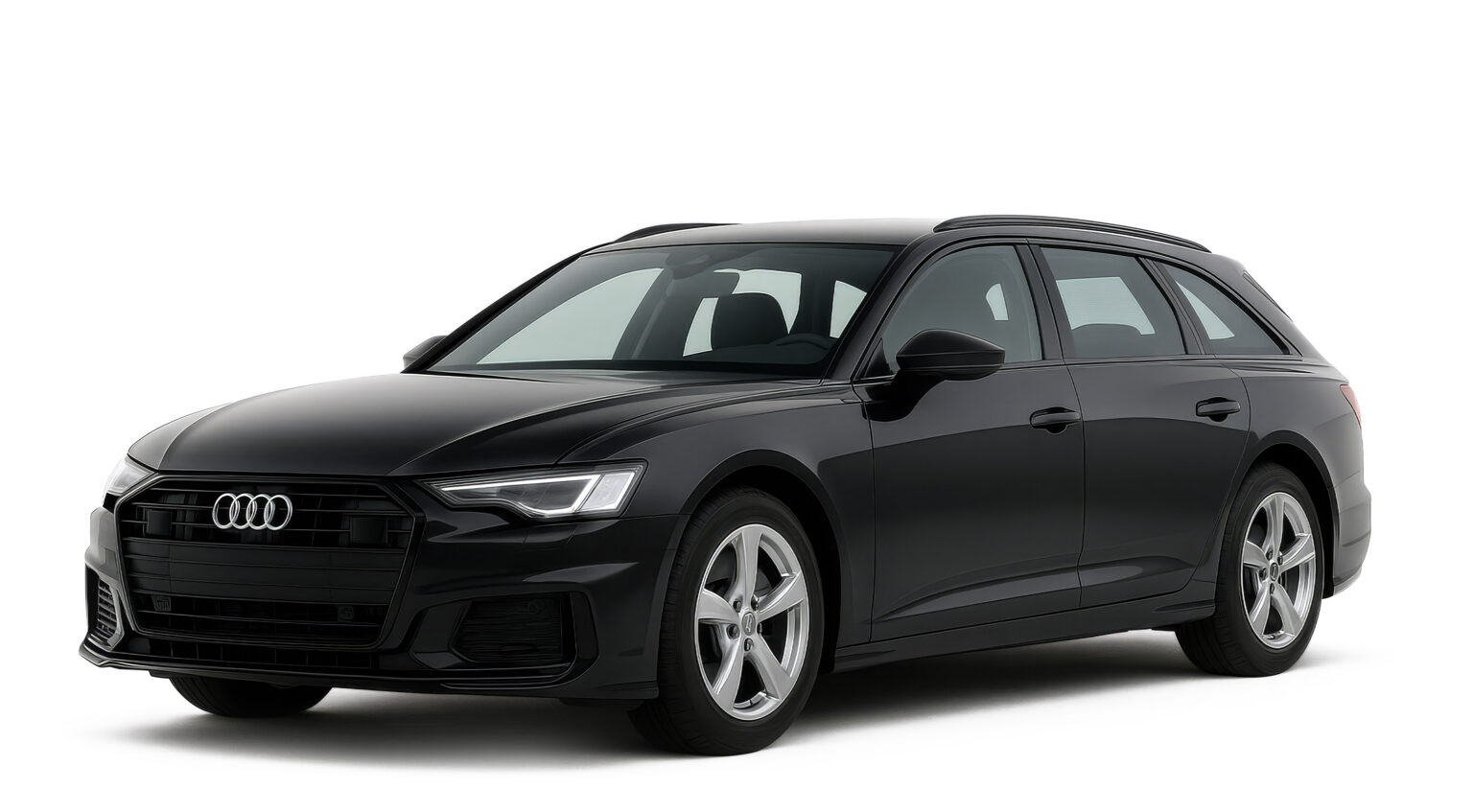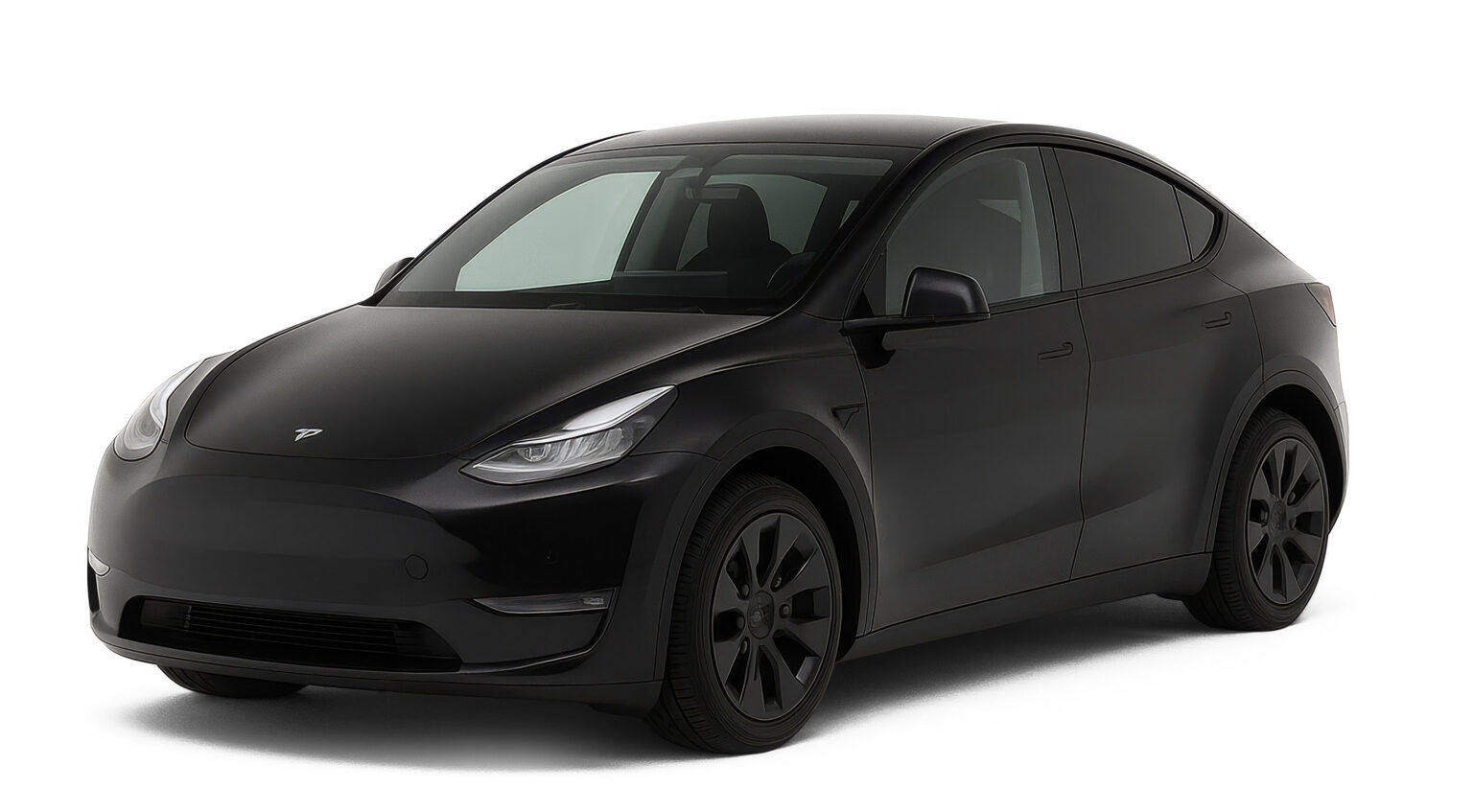

Long-term car rental is a good solution if you need a car for months or years, but don’t want to take on the risks that come with owning a car: depreciation, the hassle of selling, unexpected repairs, and endless “dealing with the car.” To make the rental experience truly convenient and affordable, it’s worth choosing the car systematically. Below is a practical guide on how to select a suitable long-term rental car so that the monthly fee, mileage, and contract terms support your real needs.
1. Start with your needs, not the car brand
The most common mistake is choosing a car based on emotion (“I want this exact model”), even though real life requires something else. Write down:
- how many people ride regularly (1–2 vs. a family),
- whether you need child seats and a large trunk,
- whether you mostly drive in the city or on highways,
- whether you need to transport work tools (then a van or wagon may be better),
- whether the car must start reliably in winter and drive on side roads as well.
When your needs are clear, you’ll find a car faster that is the right size and cost. The advantage of long-term rental is that you can choose a car exactly for your life today, not based on guessing the “next 8 years.”
2. Calculate realistic mileage (this affects the price the most)
Mileage plays a big role in long-term rental. Do a simple calculation:
- commute (km per day) × workdays per month
- plus weekends, training, shopping, trips to the countryside
- add a 10–15% buffer
For example, 40 km per day × 22 workdays = 880 km per month + 400 km other driving = 1280 km. With a buffer ~1450 km per month.
If you underestimate mileage, extra costs may arise later; if you overestimate, you pay unnecessarily more every month. The right mileage package makes long-term rental truly affordable.
3. Choose the car class: “sufficient” is better than “maximum”
Car size and class affect the monthly payment, fuel consumption, and everyday comfort. A simple rule:
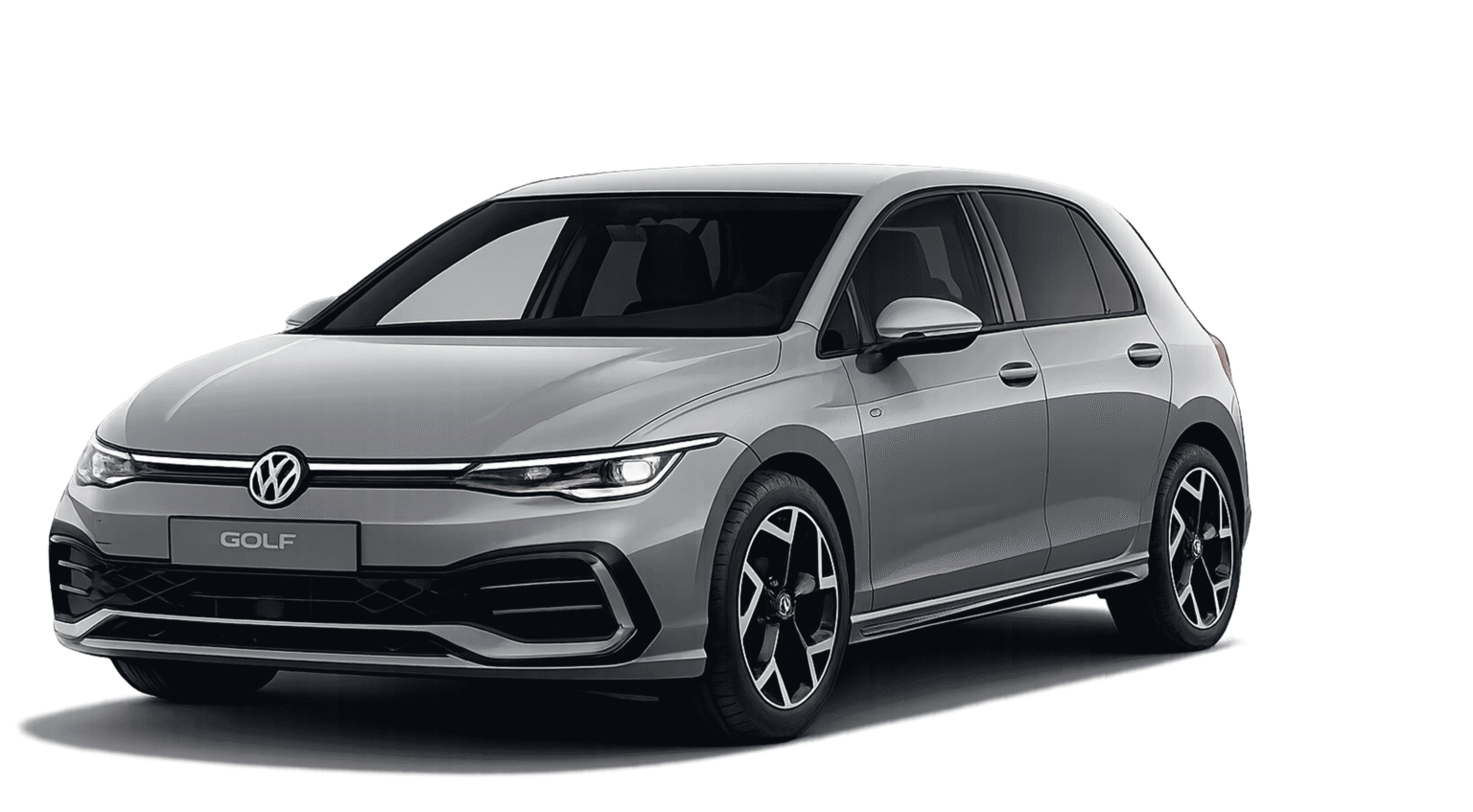
- city + 1–2 people: compact car or smaller crossover
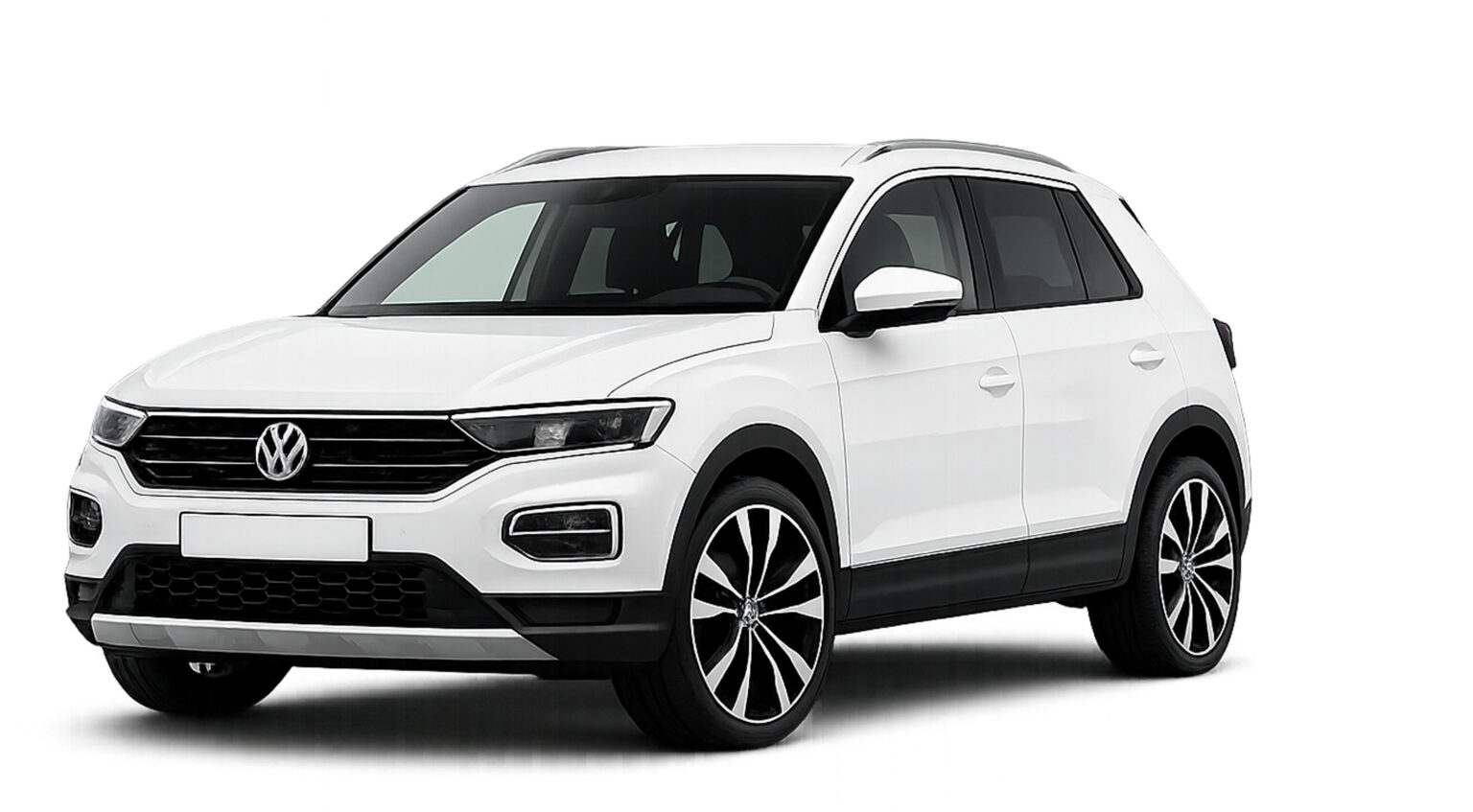
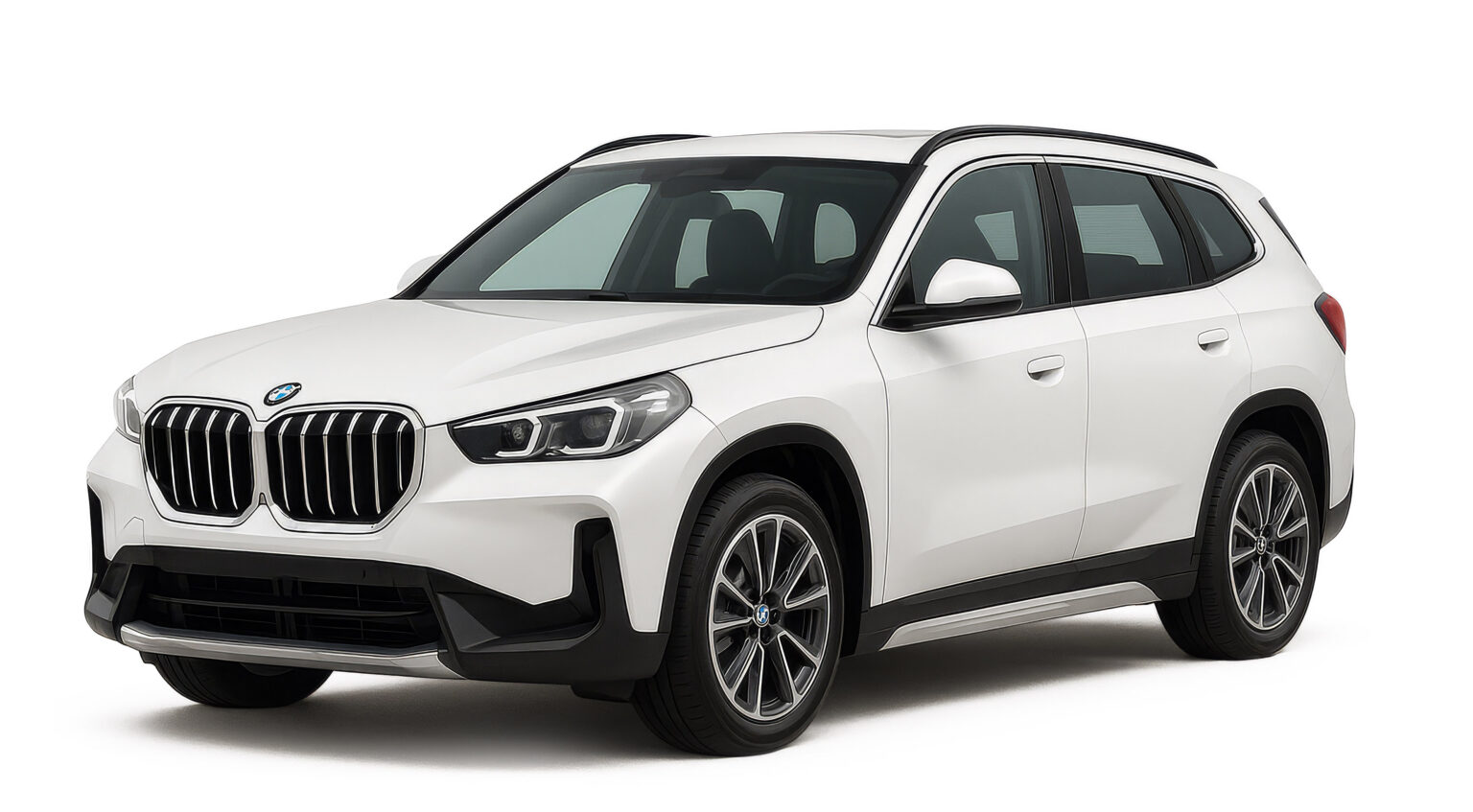
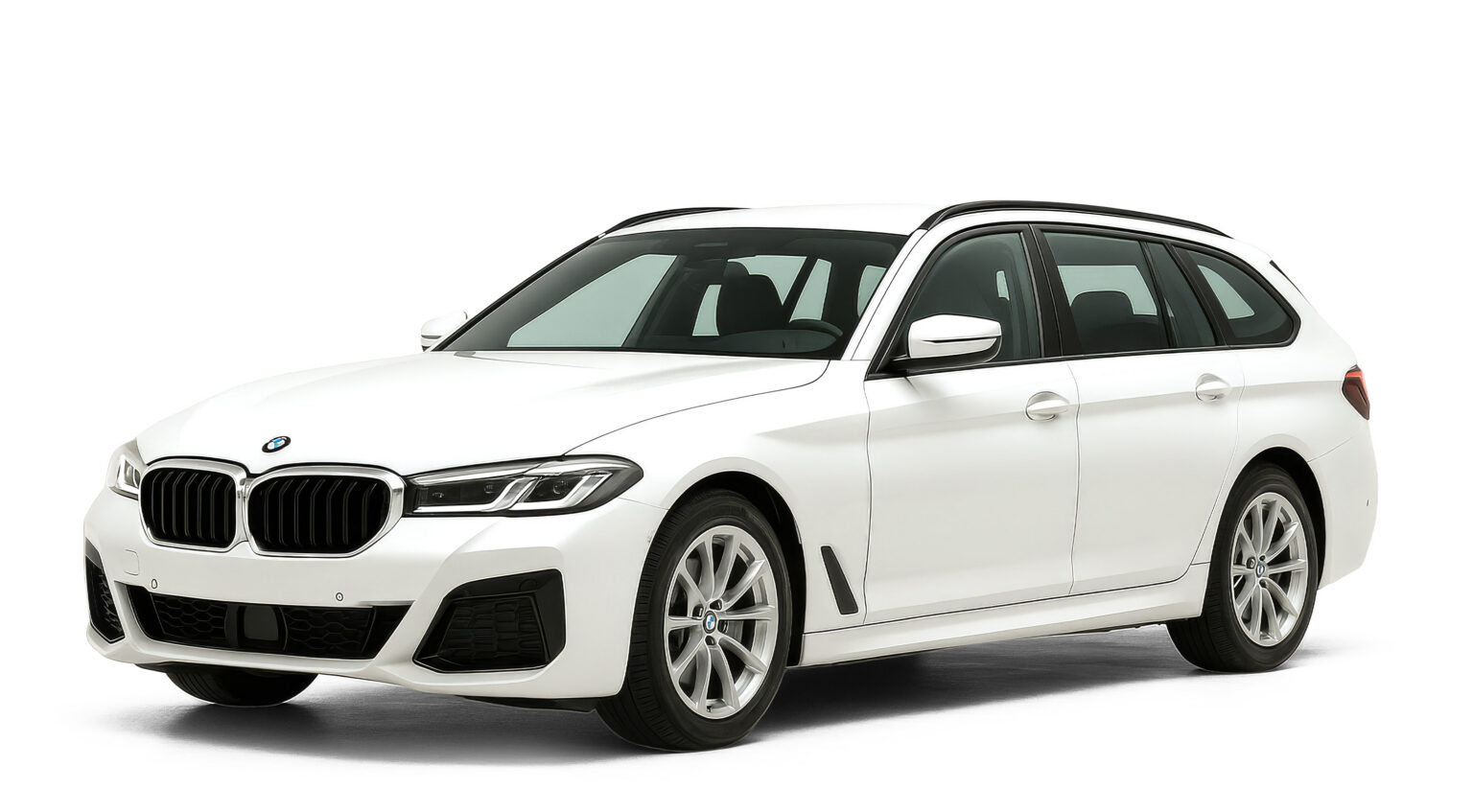
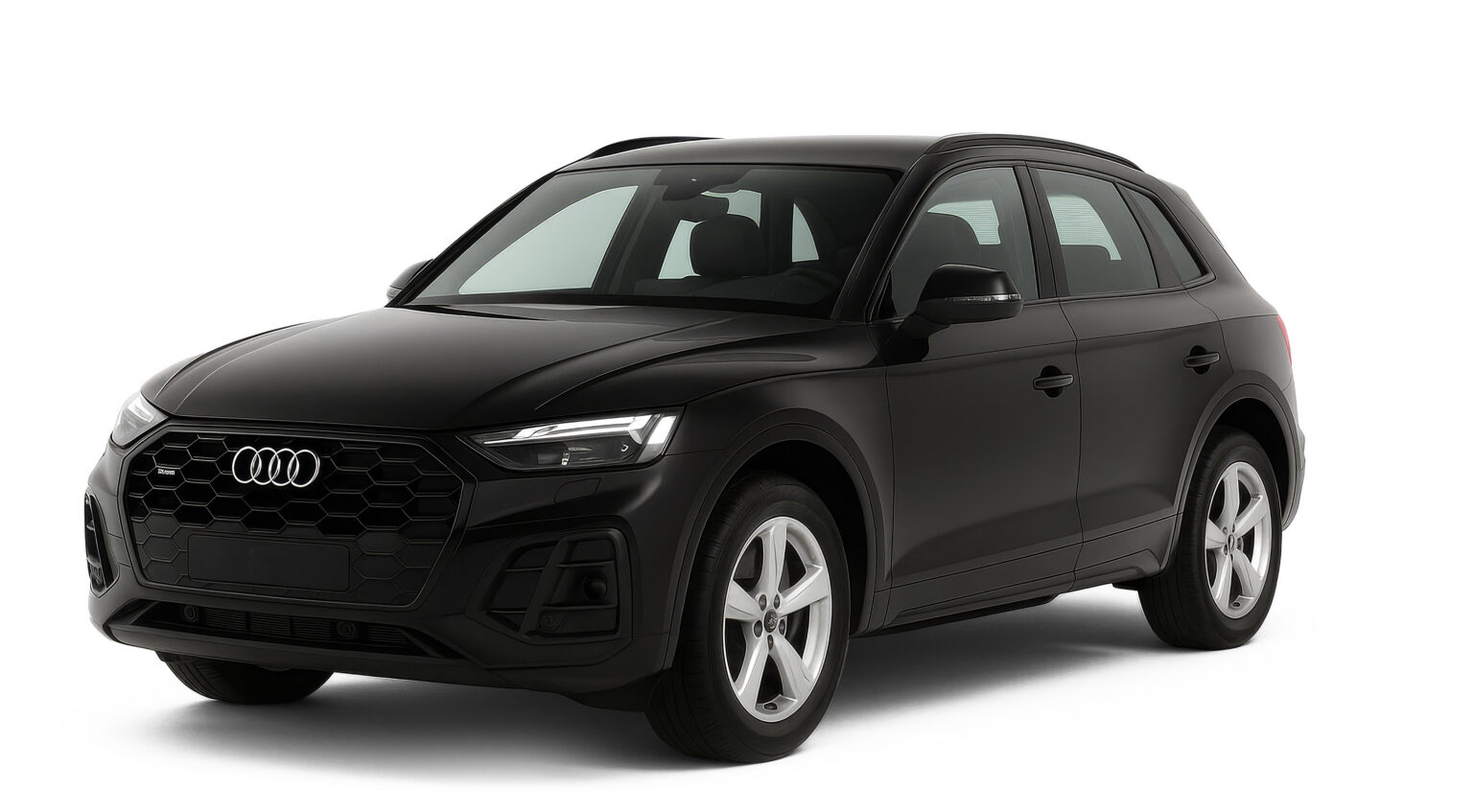
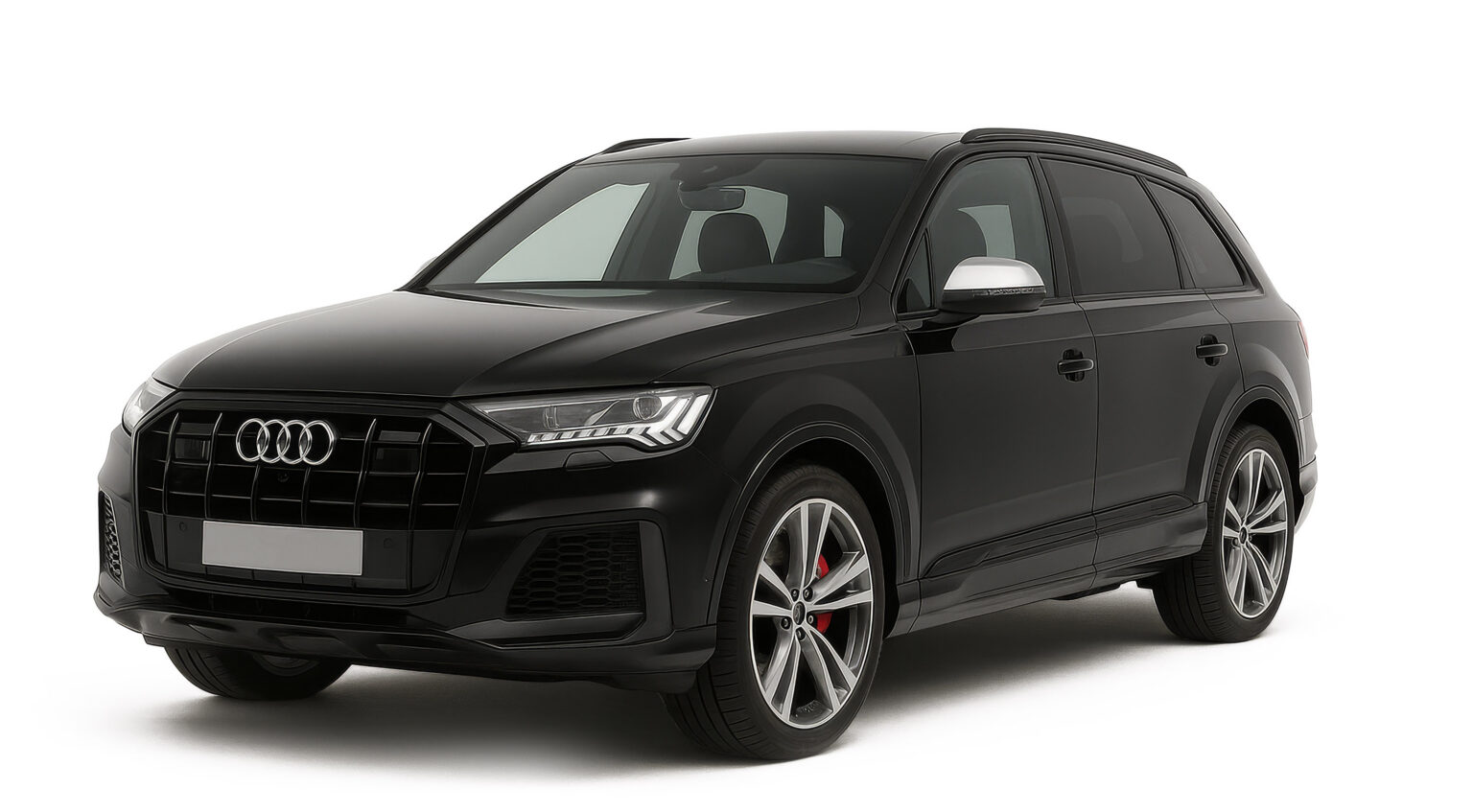
- family and luggage: wagon or larger crossover
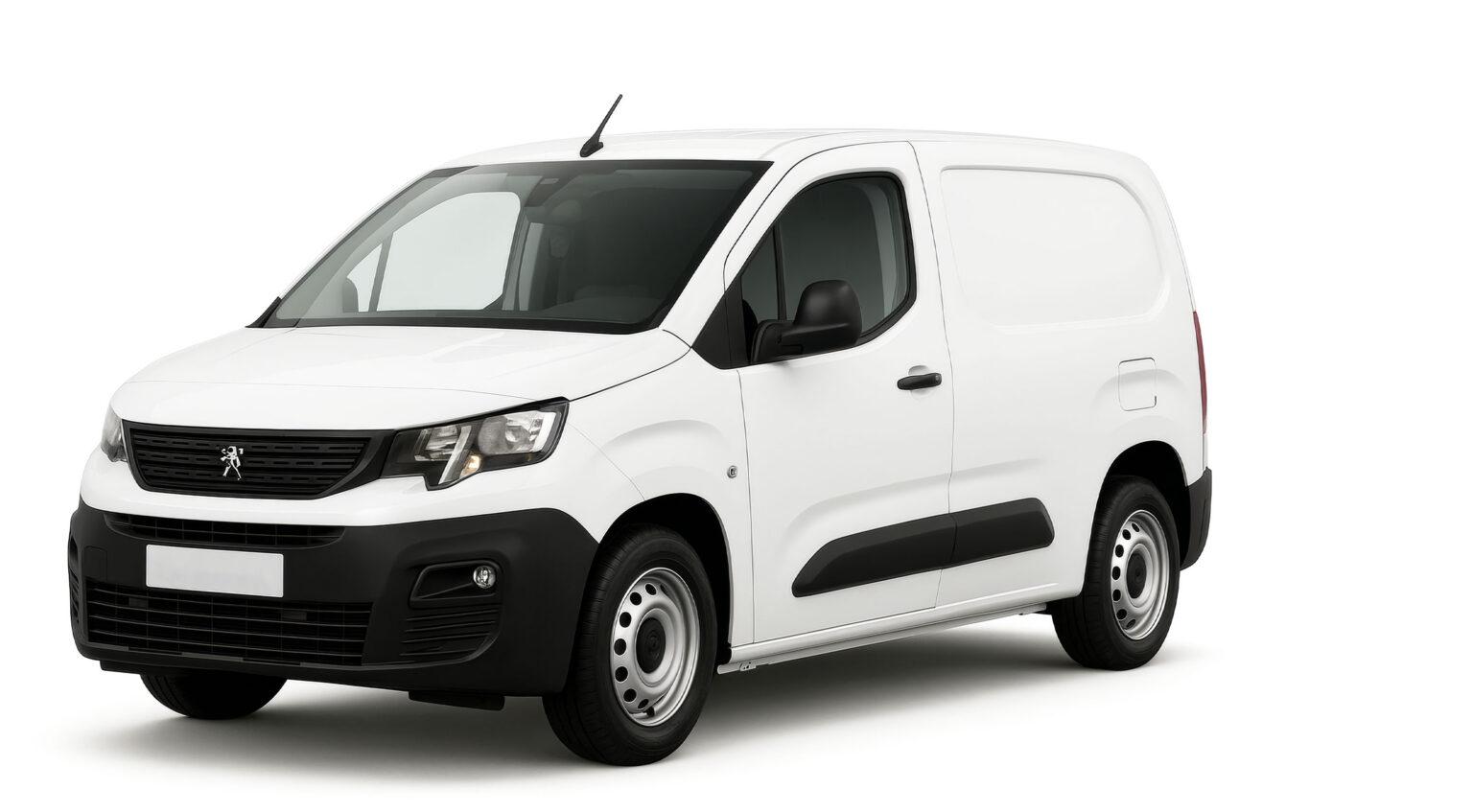
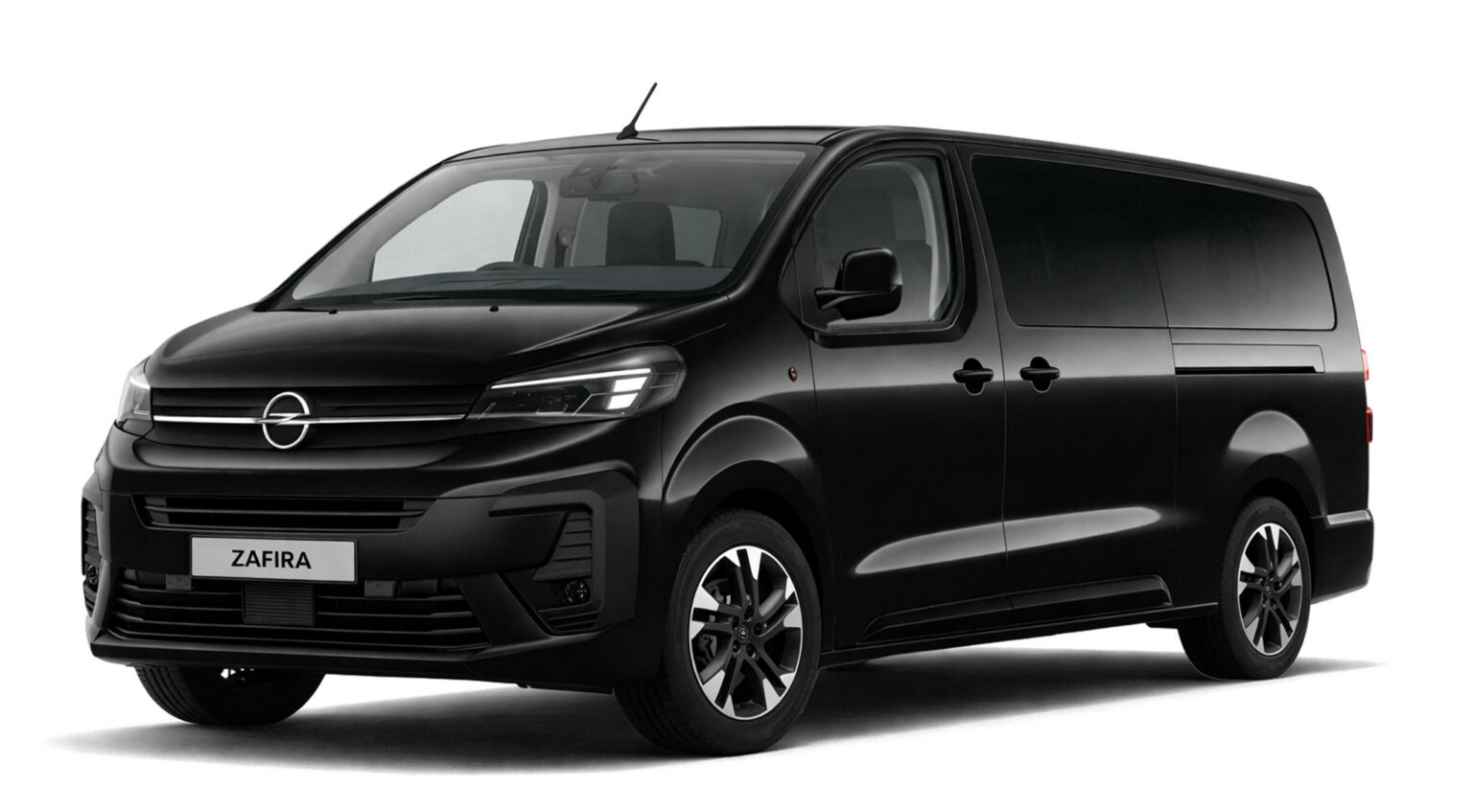
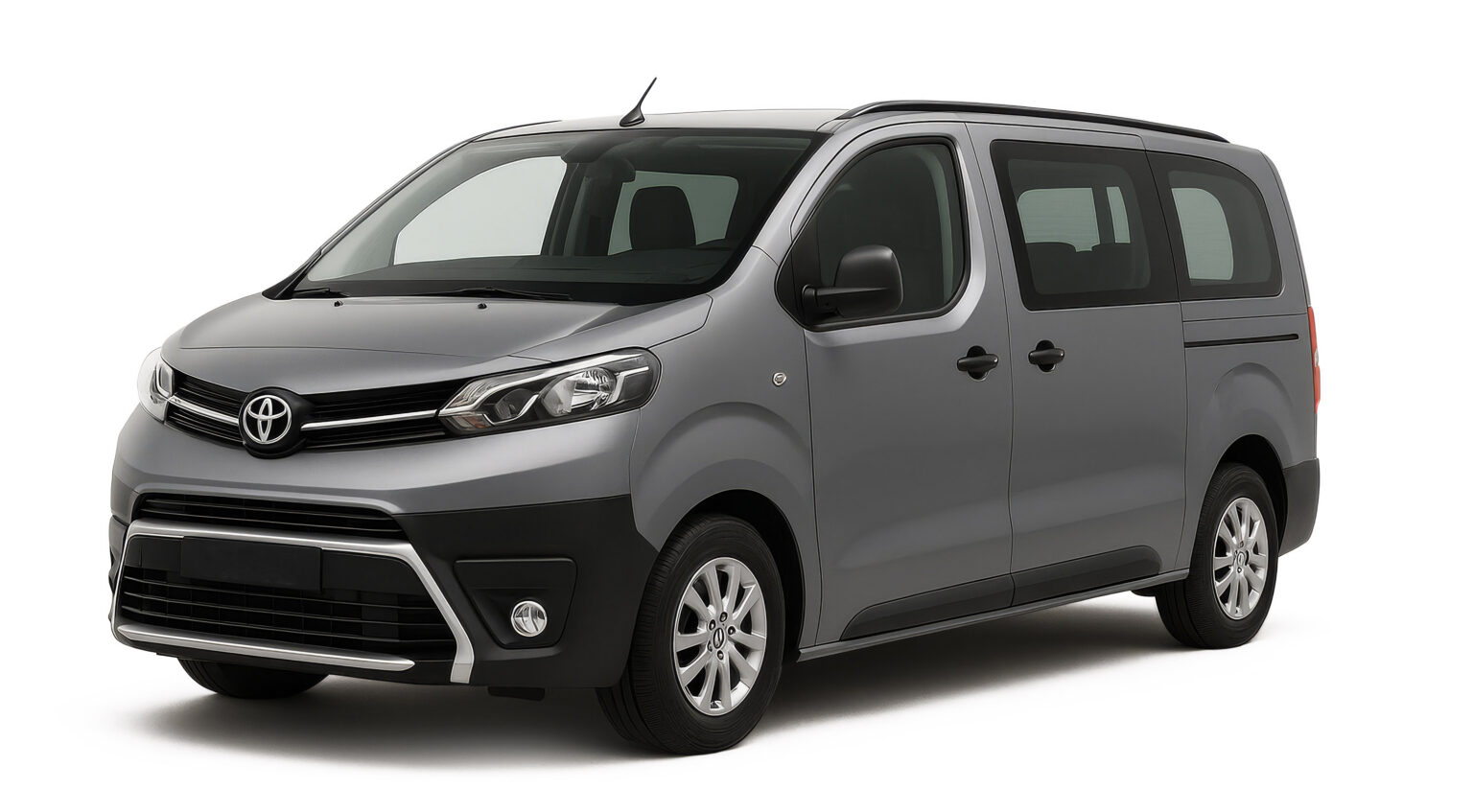
- work and hauling: van or van/minibus
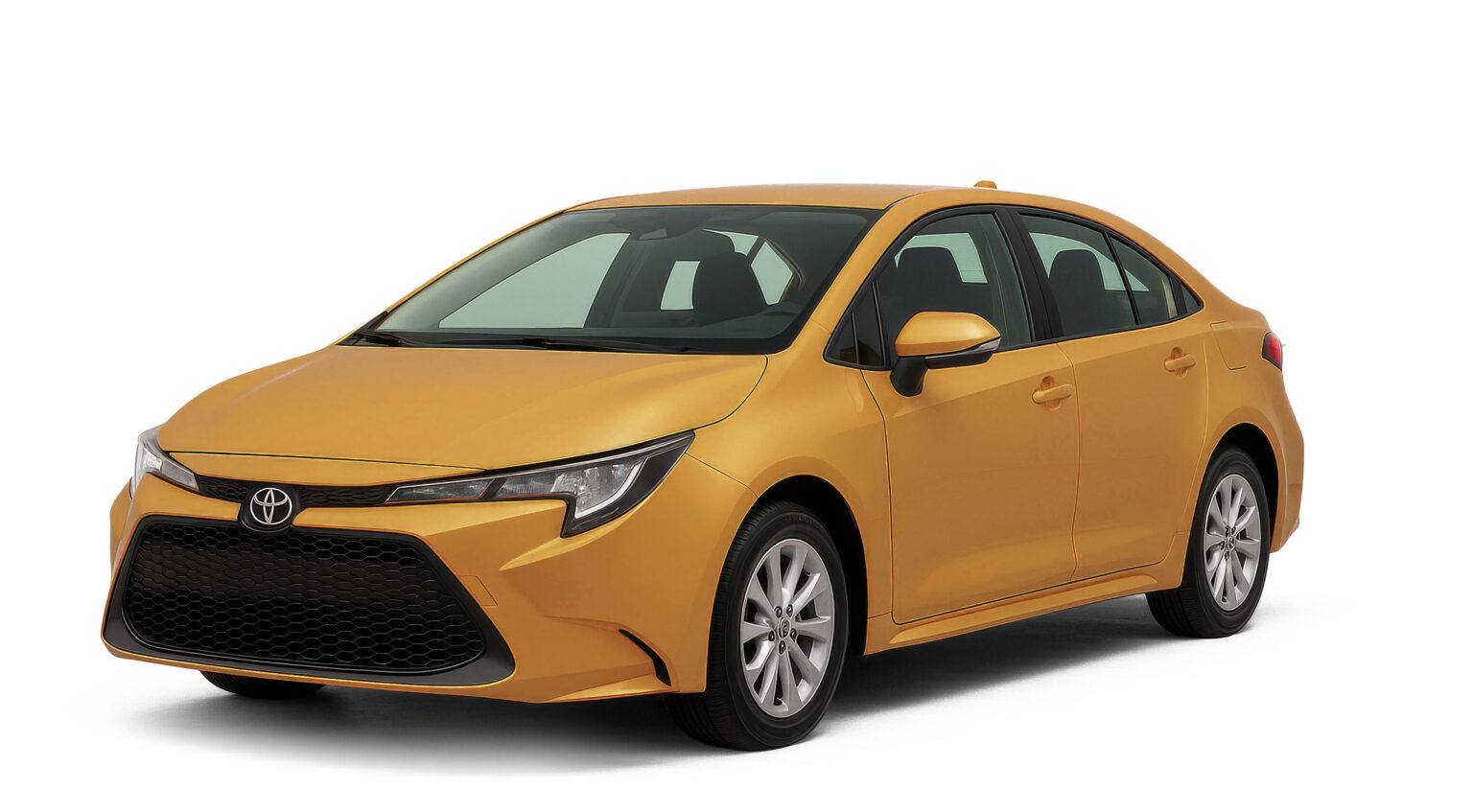
- lots of highway driving: a more comfortable sedan/wagon (noise and stability matter)
The plus of long-term rental is that you don’t have to buy a car that’s too big “just in case.” You can choose the right size now and switch later if your needs change.
4. Automatic vs. manual: choose based on time and comfort
Tallinn traffic often means congestion and stop-start driving. An automatic transmission:
- reduces fatigue,
- is more comfortable in the city,
- is often more popular in rentals and more “worry-free.”
If you mainly drive in the city, an automatic is usually a sensible choice even if the monthly fee is slightly higher.
5. Fuel type and drivetrain: don’t pay for the wrong thing
Choose the tech based on your driving profile:
- Petrol often suits city driving and shorter trips.
- Diesel can make sense for high mileage and highway driving (if your driving profile supports it).
- Hybrid is a good compromise if you drive a lot in the city but also on highways.
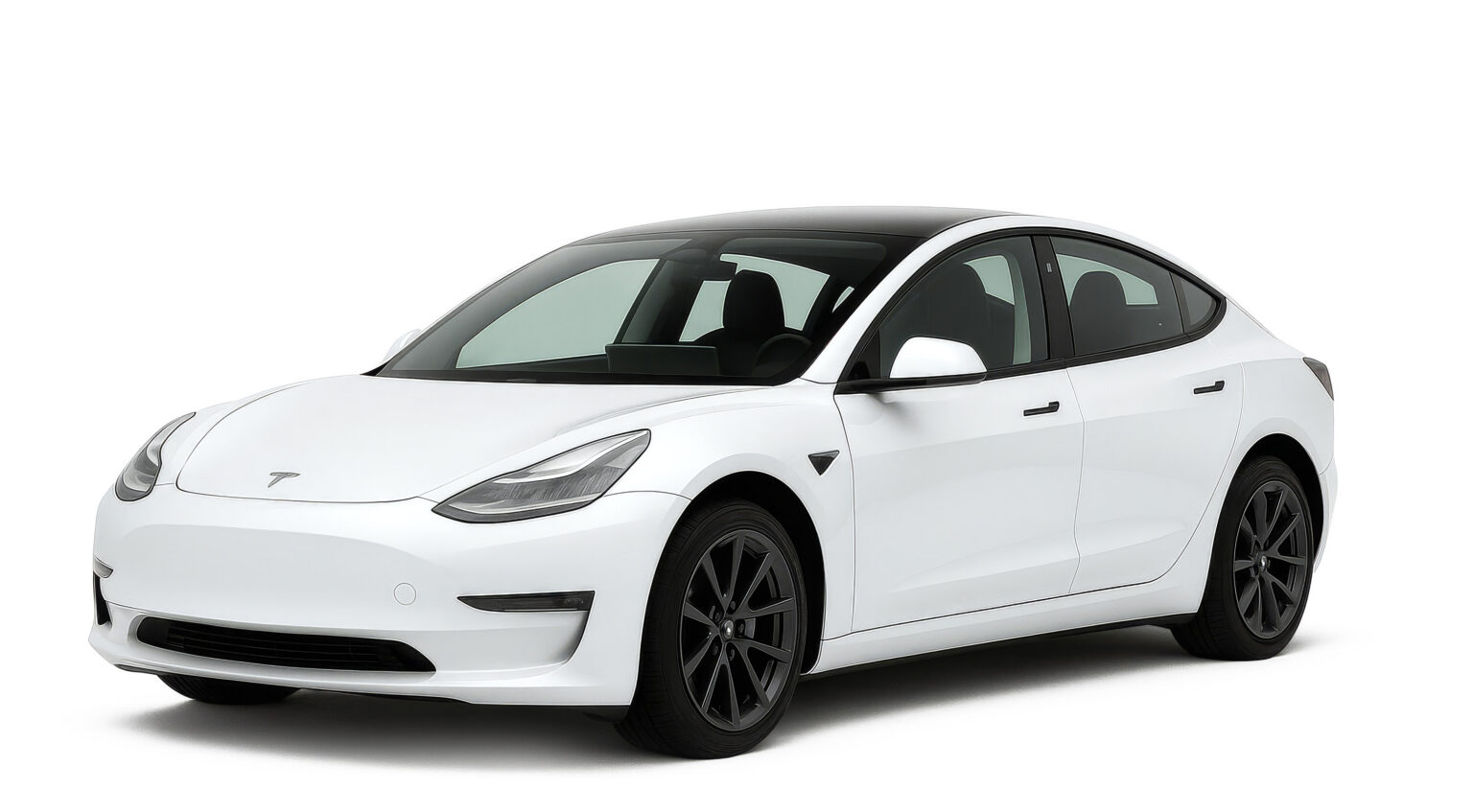
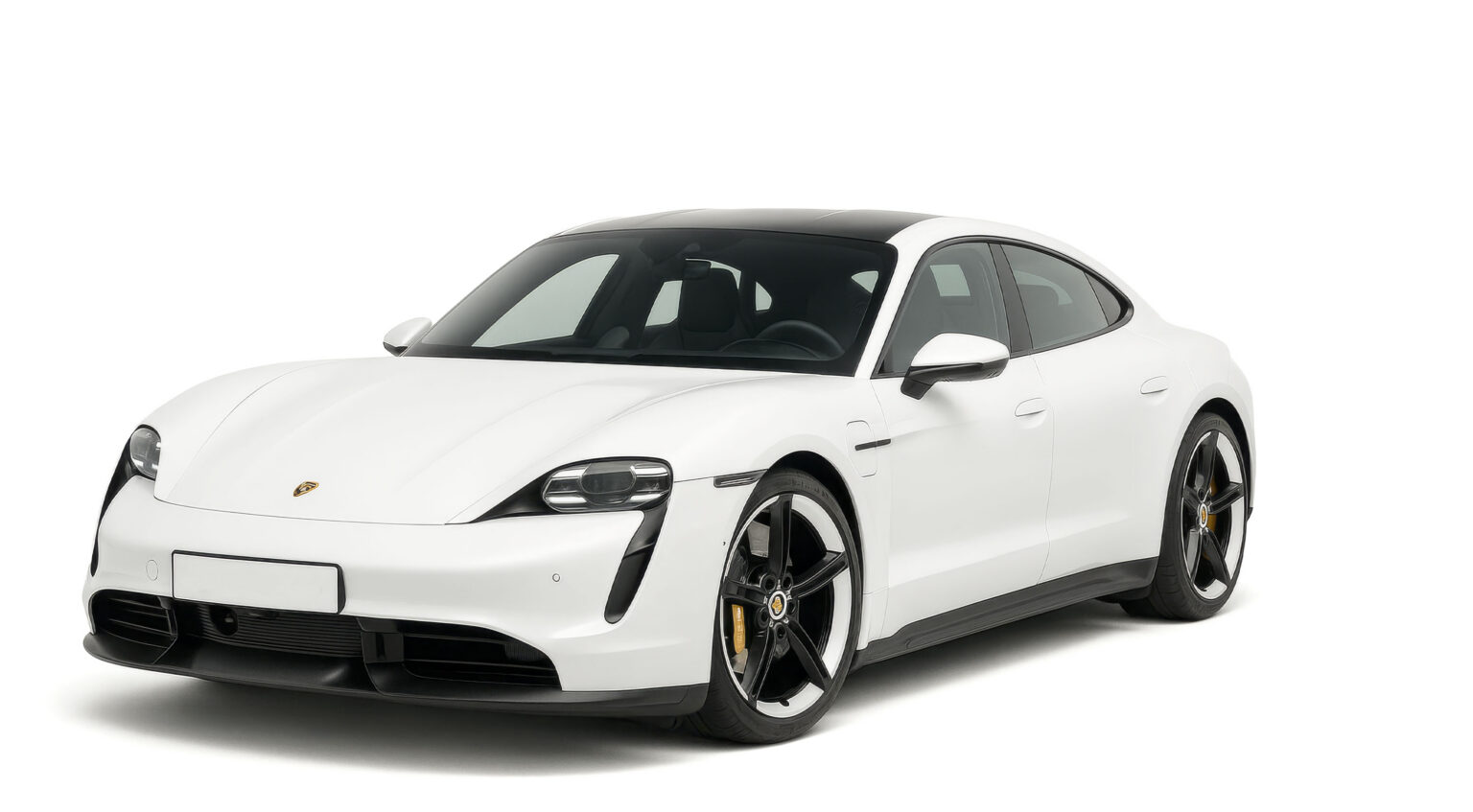
- Electric car is great if you have reliable charging (at home/work) and your trips are predictable.
All-wheel drive is useful if you often go to rural areas or drive on snowy side roads. But if 95% of your driving is in the city, all-wheel drive may be an unnecessary expense.
6. Check what the monthly fee actually includes
“Long-term car rental” can mean very different things. Always ask in writing:
- whether maintenance is included,
- whether tires (winter tires, changes, storage) are included,
- whether insurance (comprehensive) is included or separate,
- whether roadside assistance and a replacement car are included,
- what the service limitations are.
The more that’s bundled into the monthly fee, the more you get the real advantage of long-term rental: predictable costs and fewer surprises.
7. Look at the insurance and deductible logic
A cheaper monthly fee may come at the cost of a higher deductible or stricter damage terms. Check:
- deductible (accident, glass, vandalism),
- whether there is a separate deductible for parking damage,
- whether “small dents/scratches” are considered damage,
- what counts as “normal wear and tear.”
A good rental solution is one where the risks are clearly spelled out and you understand what you are responsible for.
8. Think ahead to the return: wear-and-tear rules matter
At the end of a long-term rental, the car’s condition is assessed. To avoid unpleasant surprises:
- take photos when receiving the car (outside and inside),
- keep maintenance/tire documents (if they’re not included in the package),
- ask how wheel damage and interior wear are evaluated.
When the rules are transparent, the end of the rental is as easy as the beginning.
9. Choose equipment that truly affects daily life
Put kindly: the “best rental car” isn’t the one with the most gadgets, but the one that makes your life easier. In Estonia, it often makes sense to prioritize:
- heating (seat heating/steering wheel heating),
- parking sensors/camera (especially in Tallinn),
- LED lights,
- cruise control (if you drive on highways),
- Apple CarPlay/Android Auto.
These features improve comfort every day, not “once a month.”
10. Make the final choice based on total cost, not just the monthly fee
The smartest way is to compare offers like this:
- monthly fee + fuel/electricity cost,
- insurance + deductible,
- tires and maintenance (included or extra),
- mileage and the excess-mileage price,
- replacement car and roadside assistance terms.
The strength of long-term rental is exactly that you can get costs under control in advance. If you find a package that fits your driving profile, it is usually more sensible financially and time-wise than buying a car and living with “surprises.”
Quick checklist before signing the contract
- Is the mileage realistic and is there a buffer?
- Does the monthly fee include maintenance + tires + insurance?
- What is the deductible and what are the wear-and-tear rules?
- Is there a replacement car/roadside assistance?
- Do the car size and equipment fit your daily life?