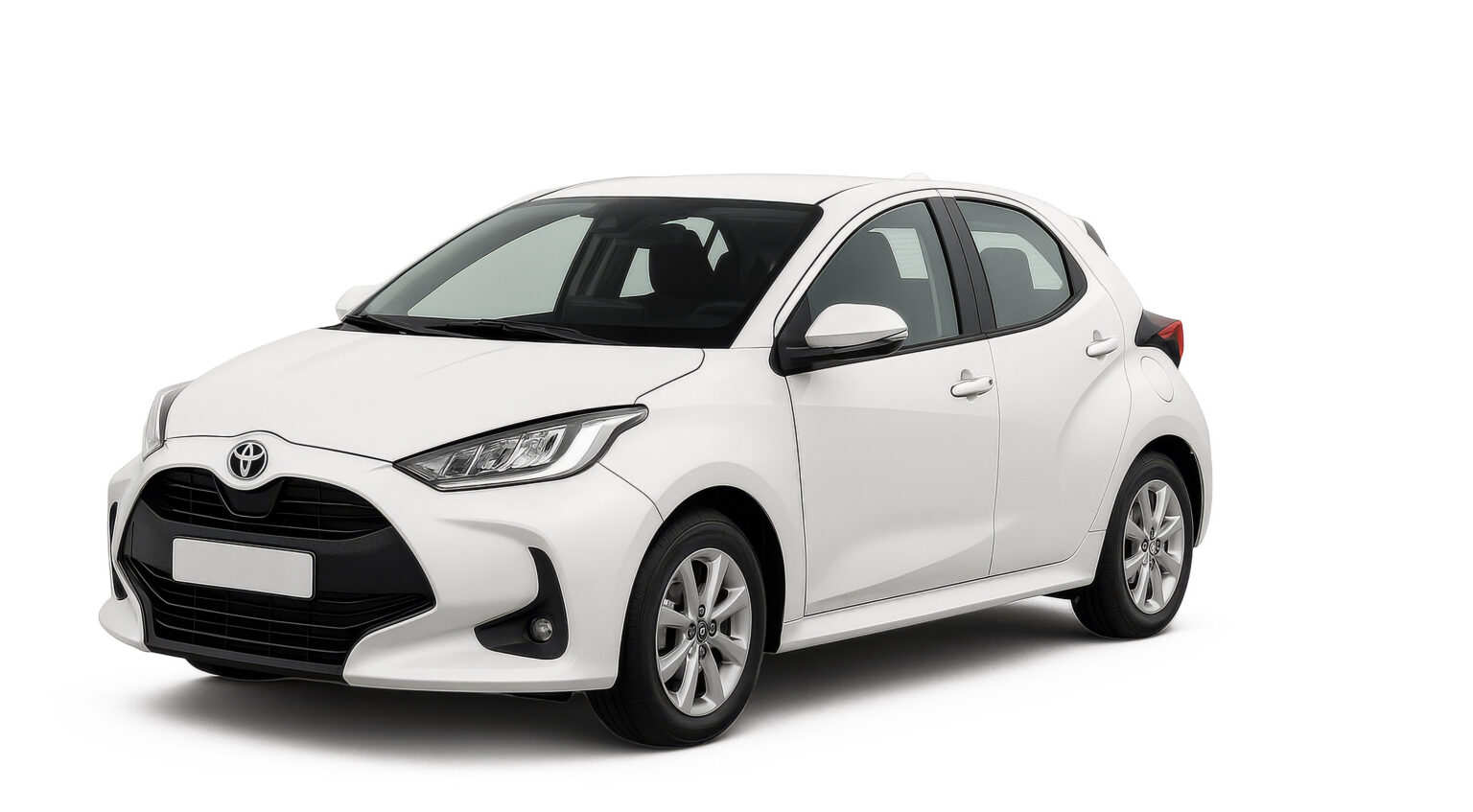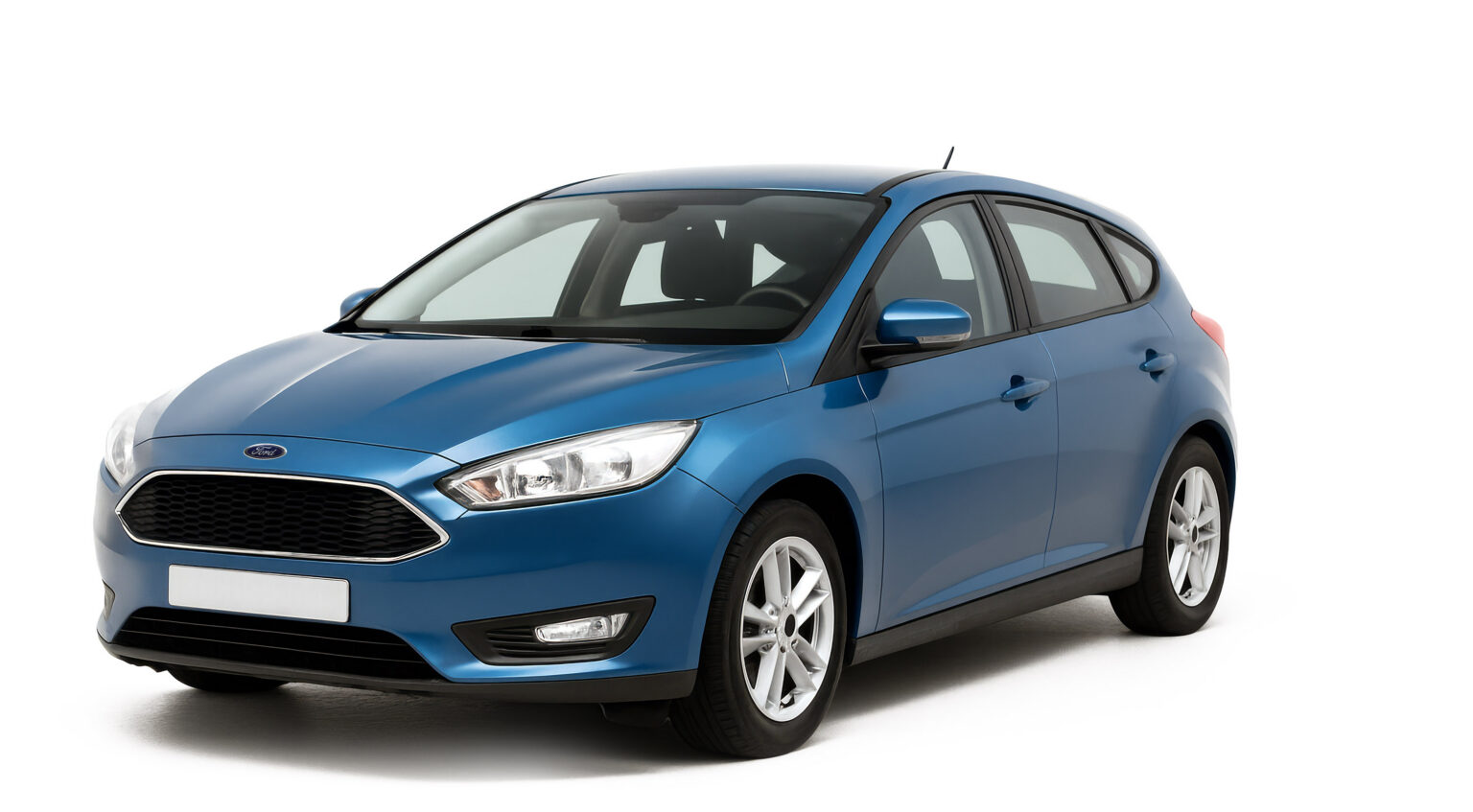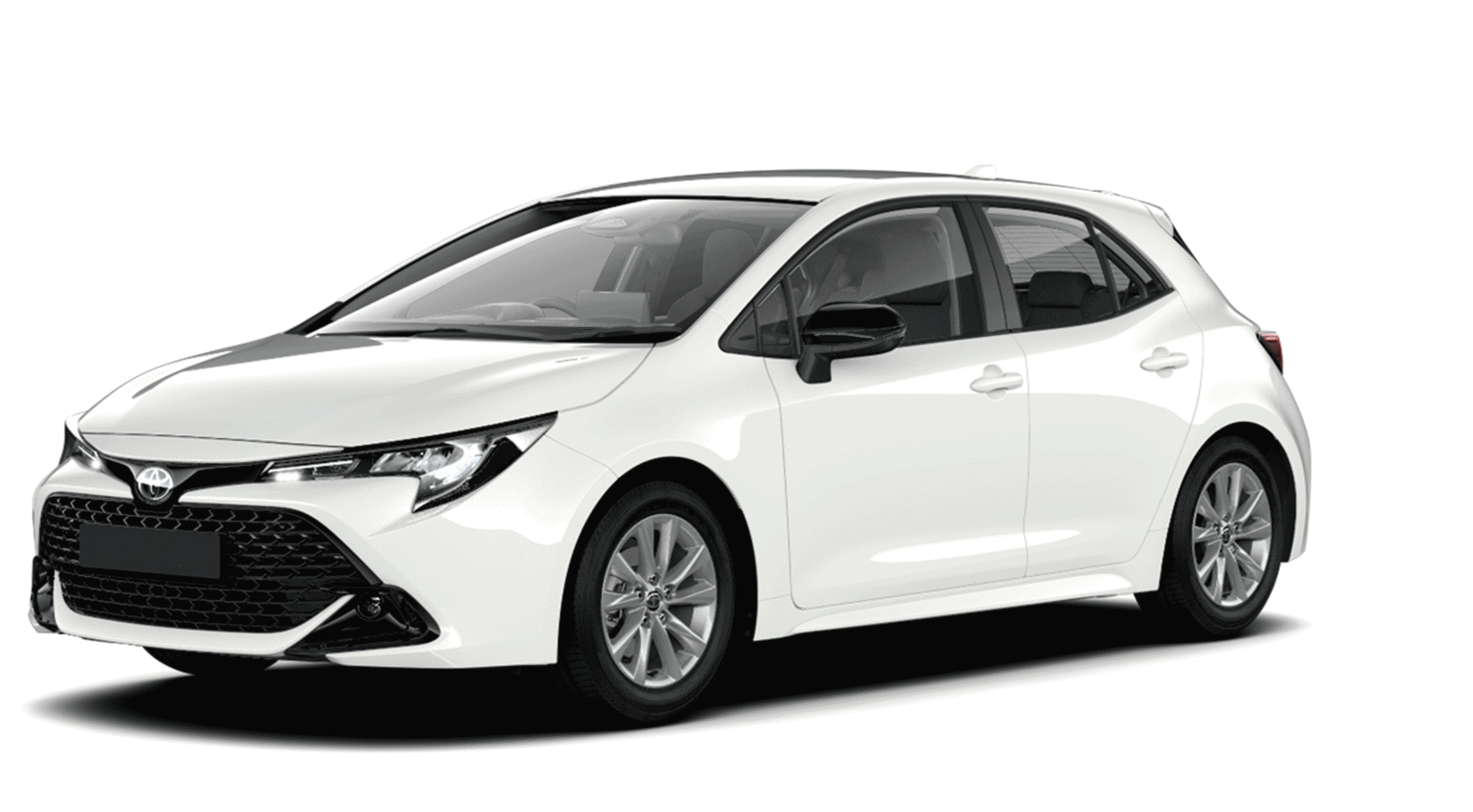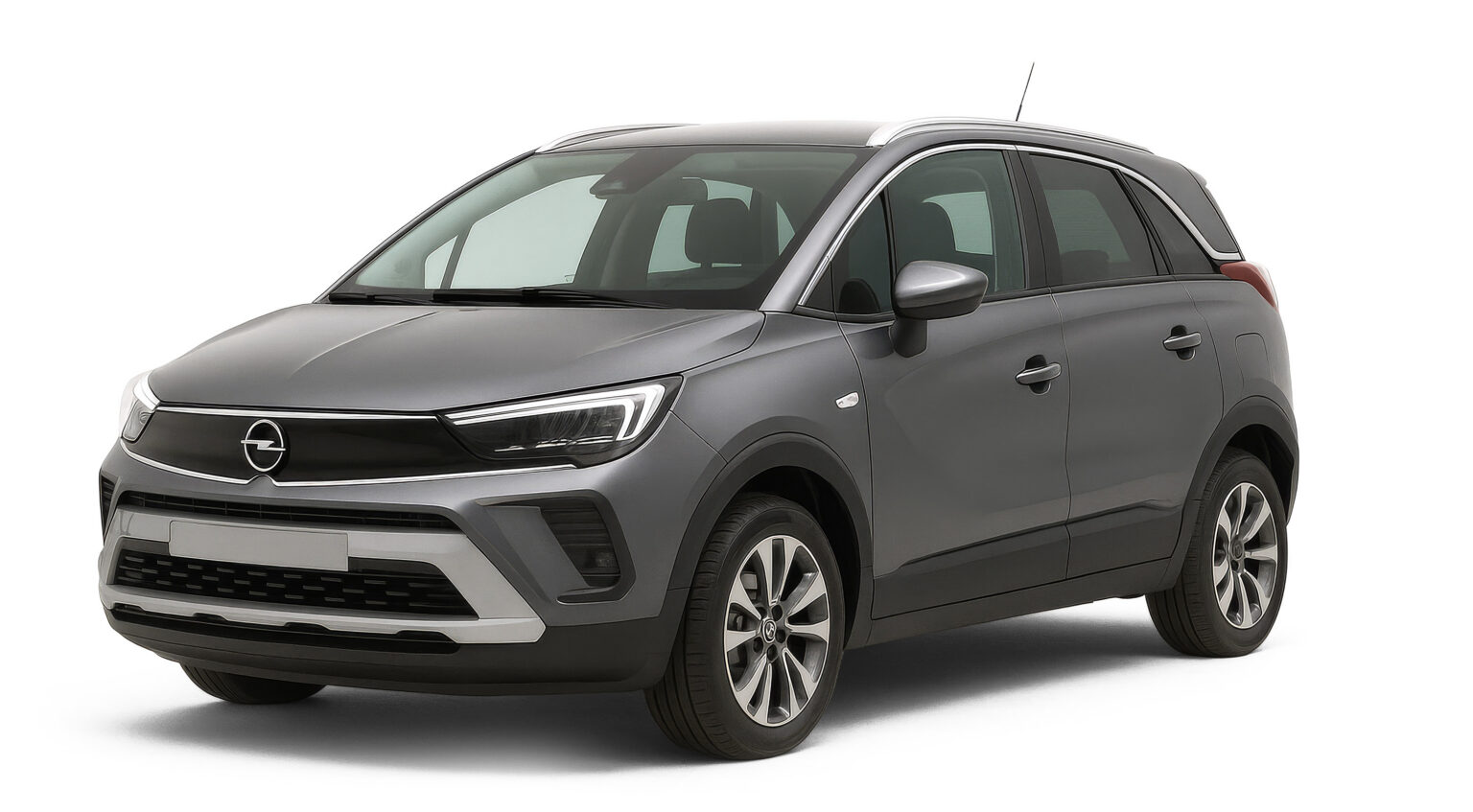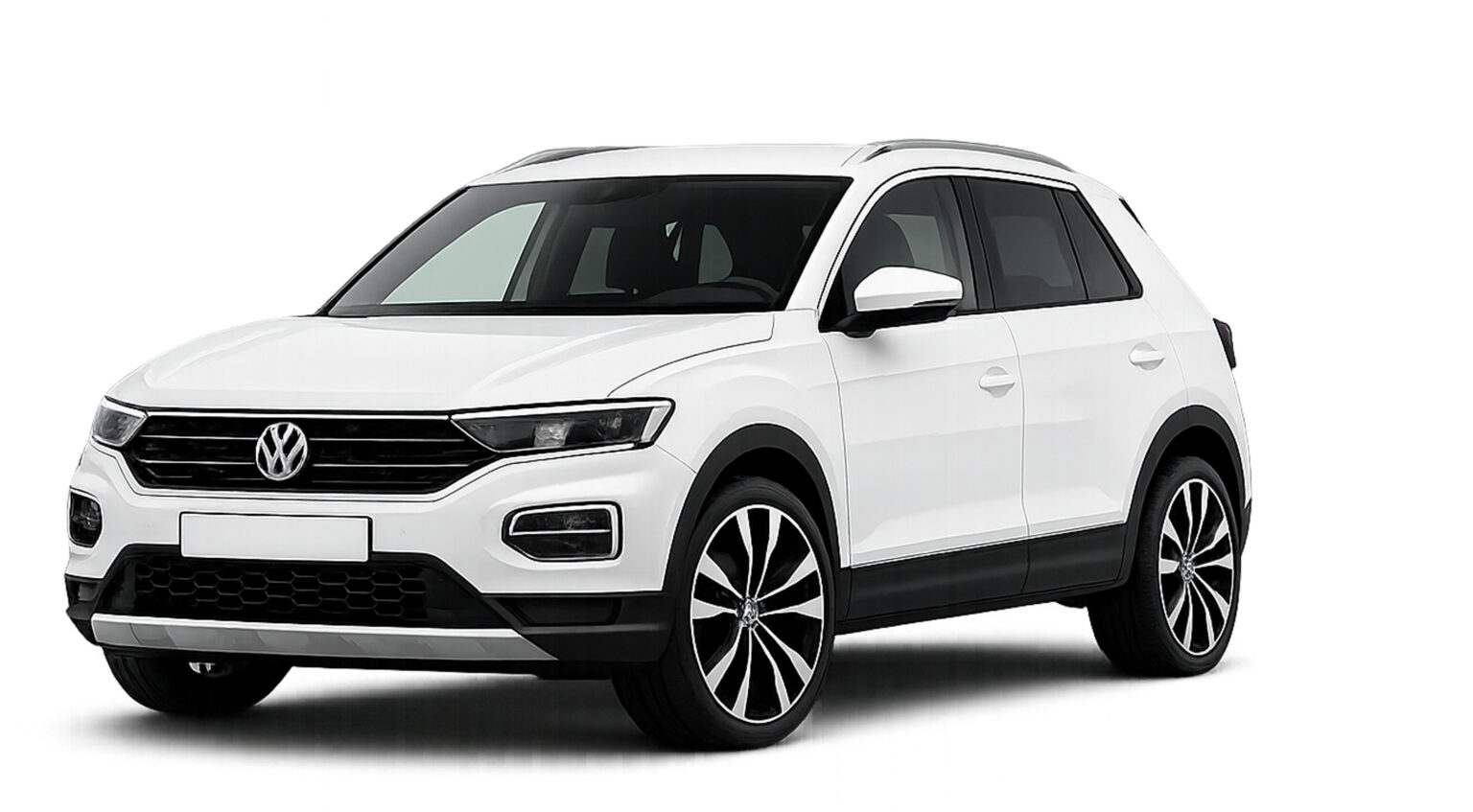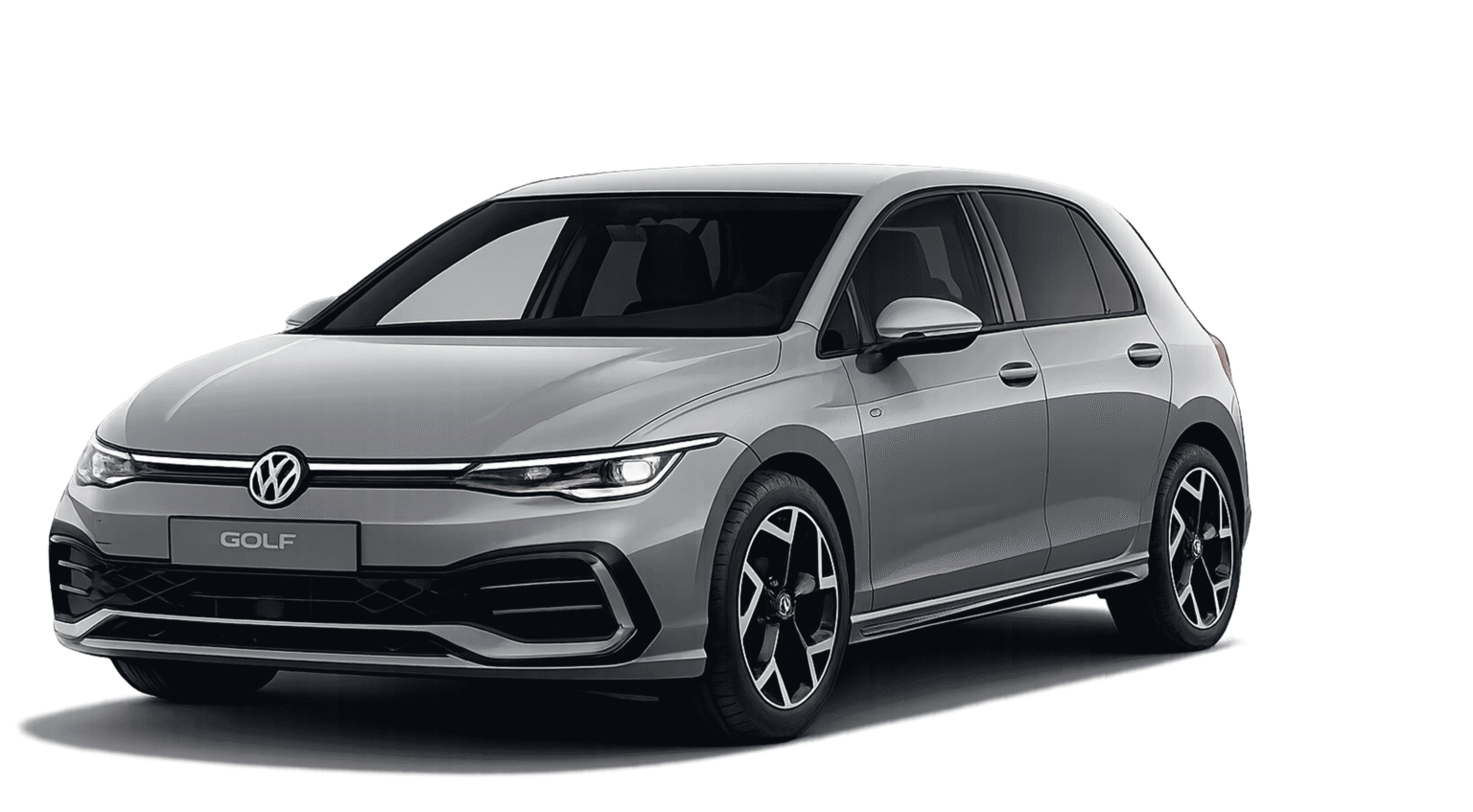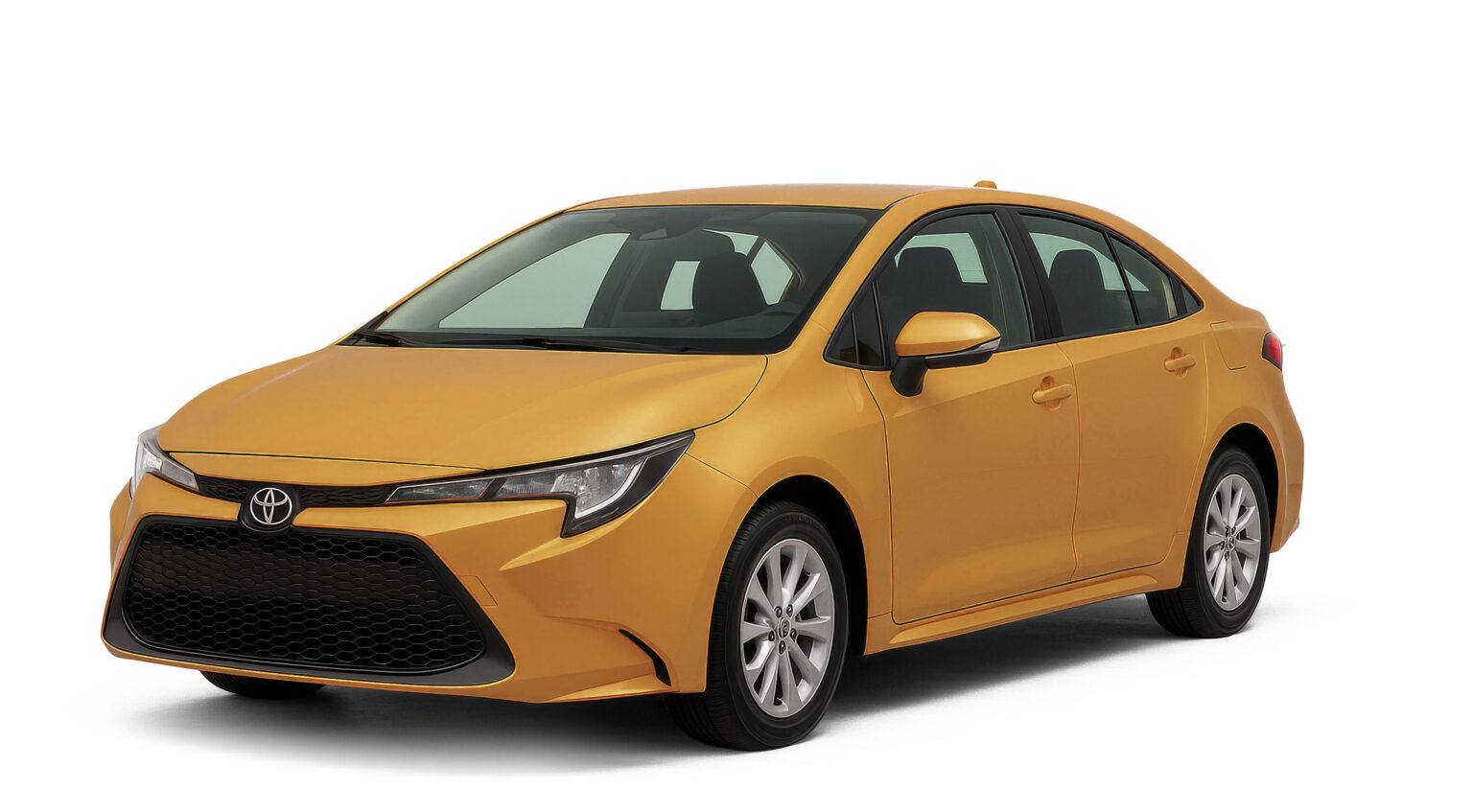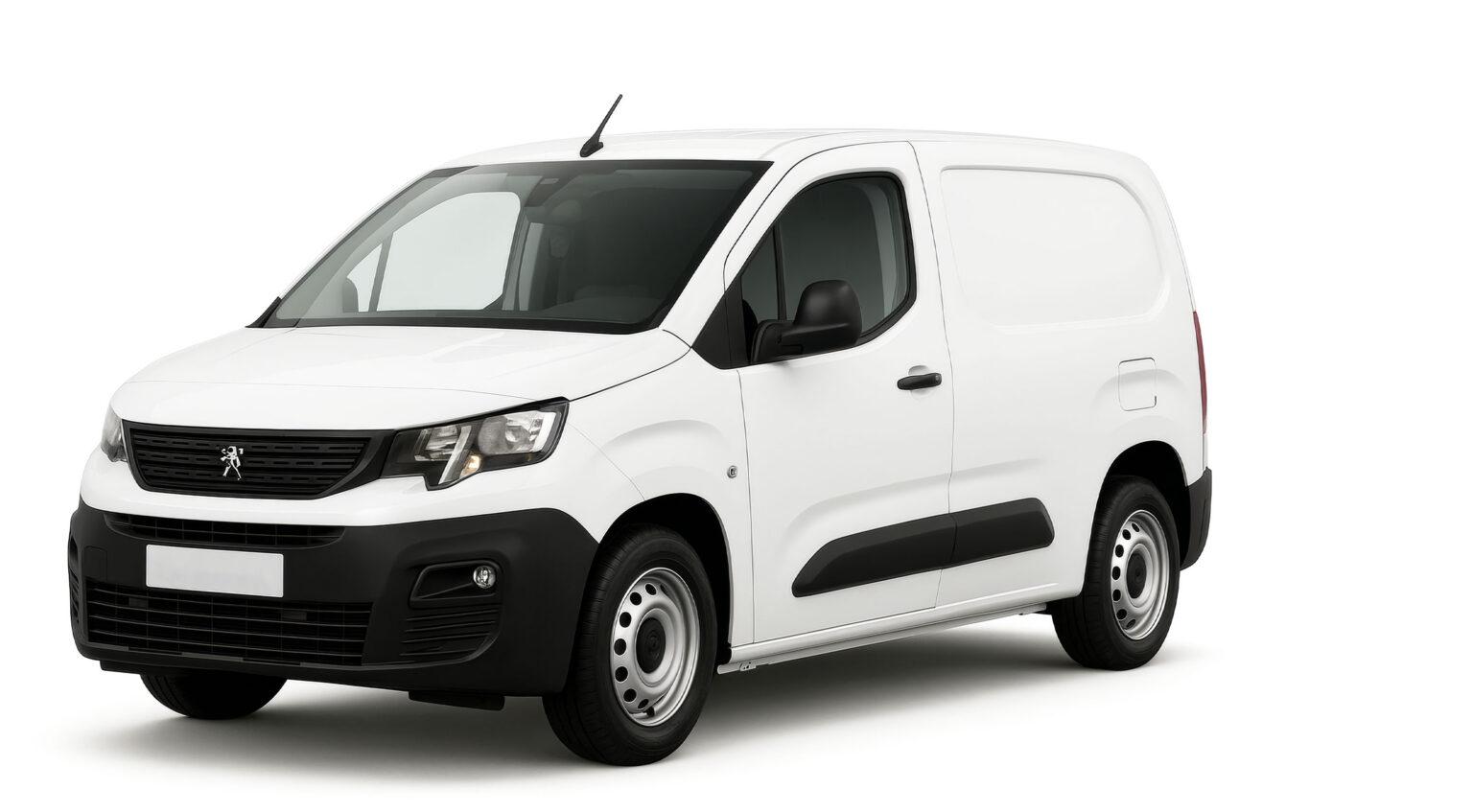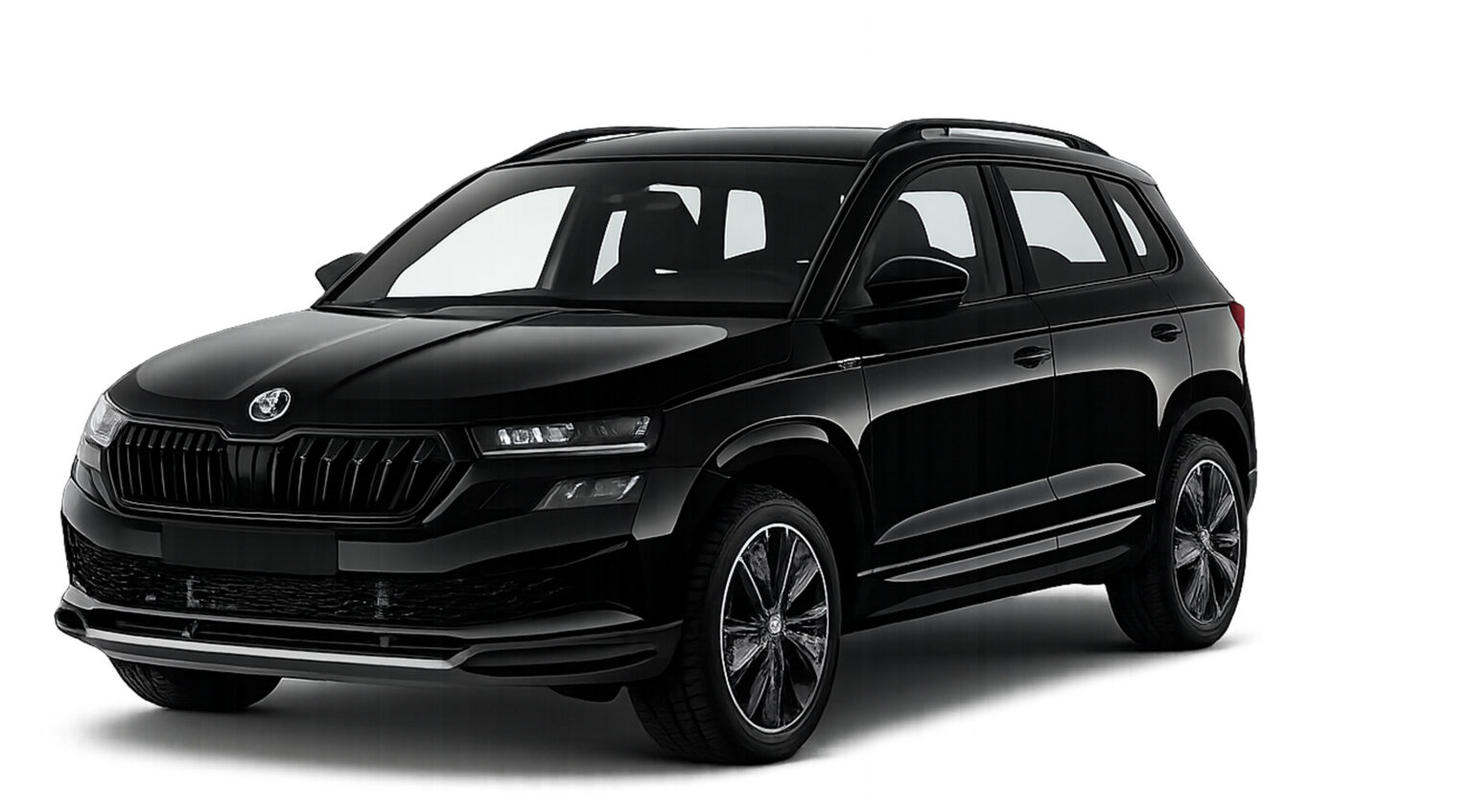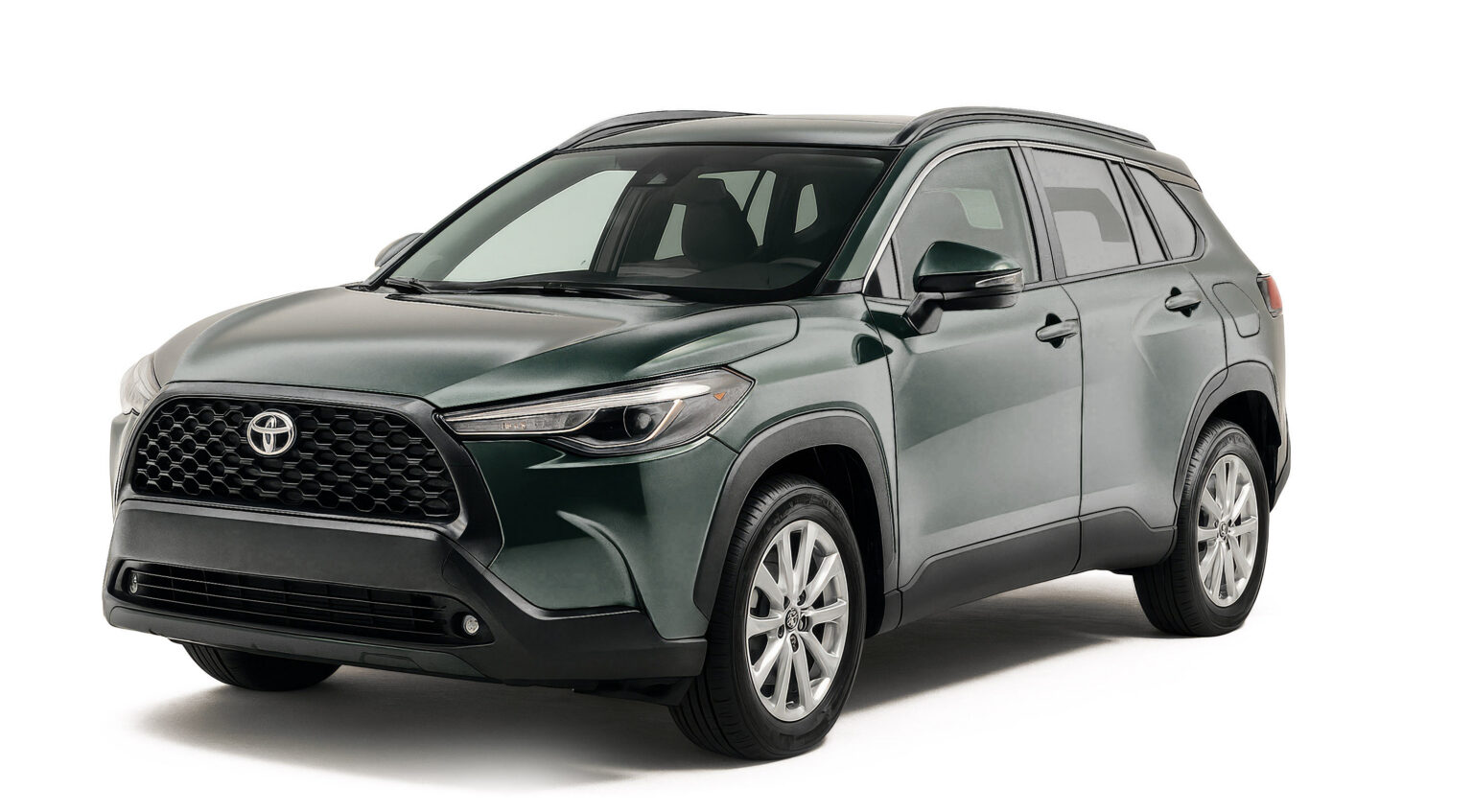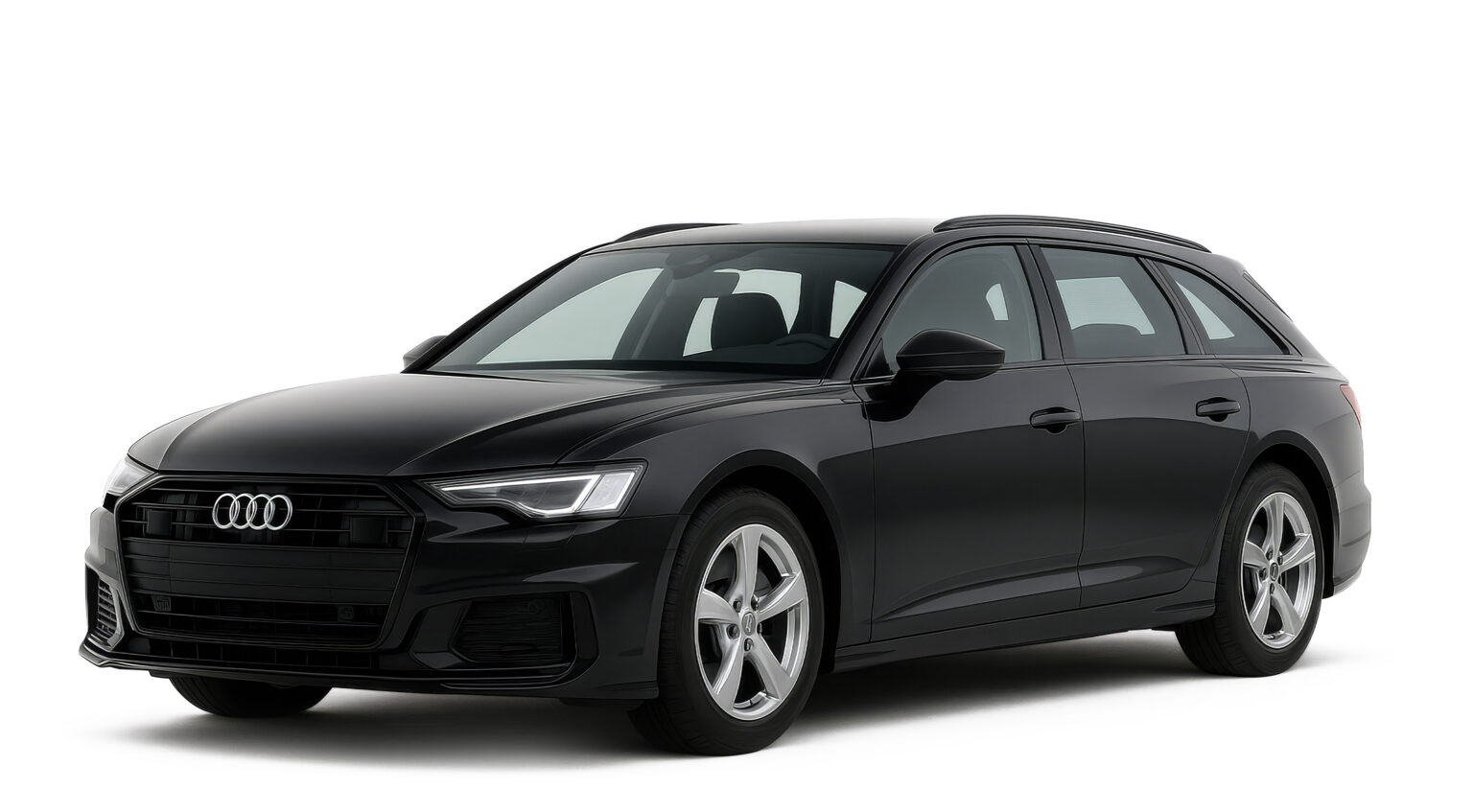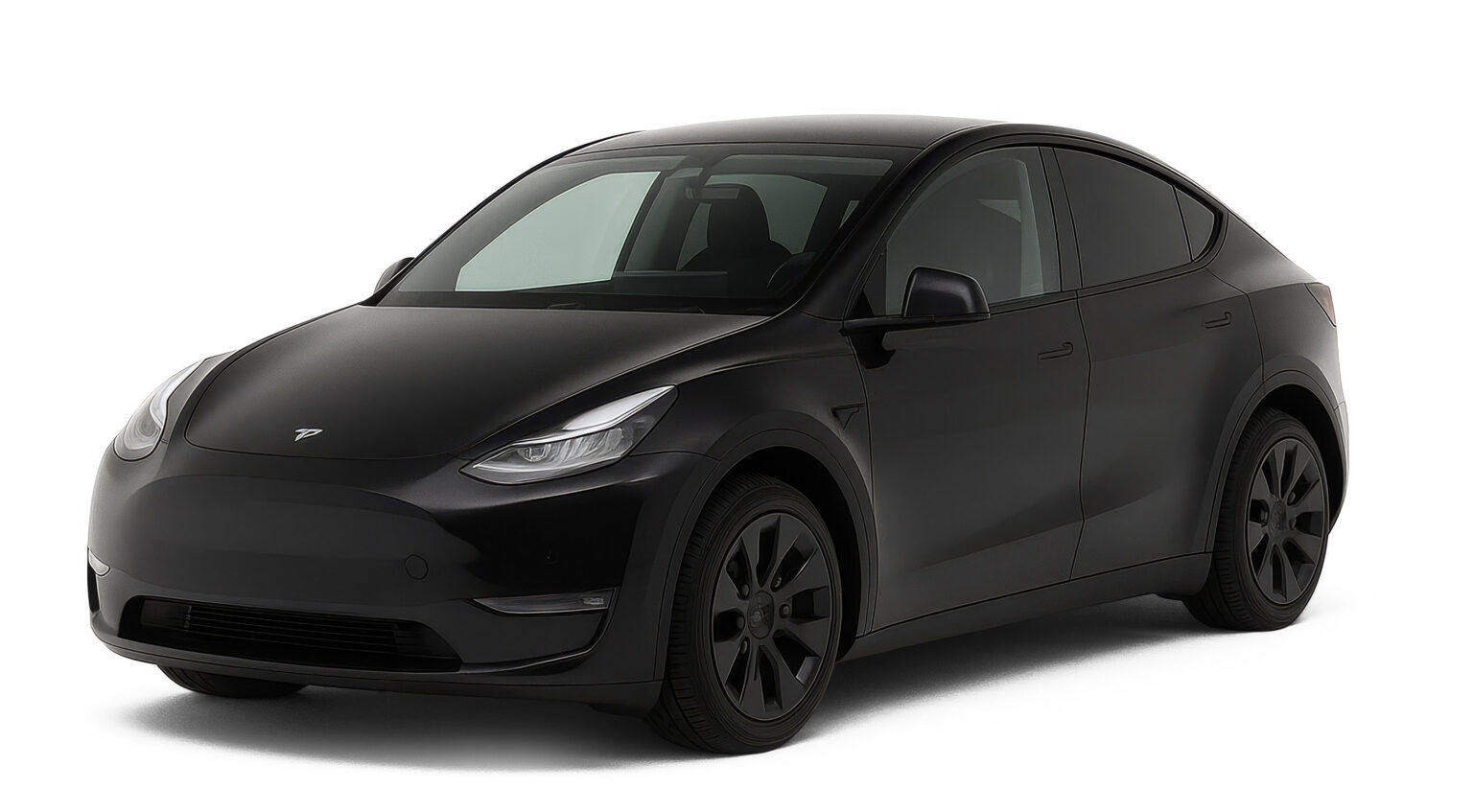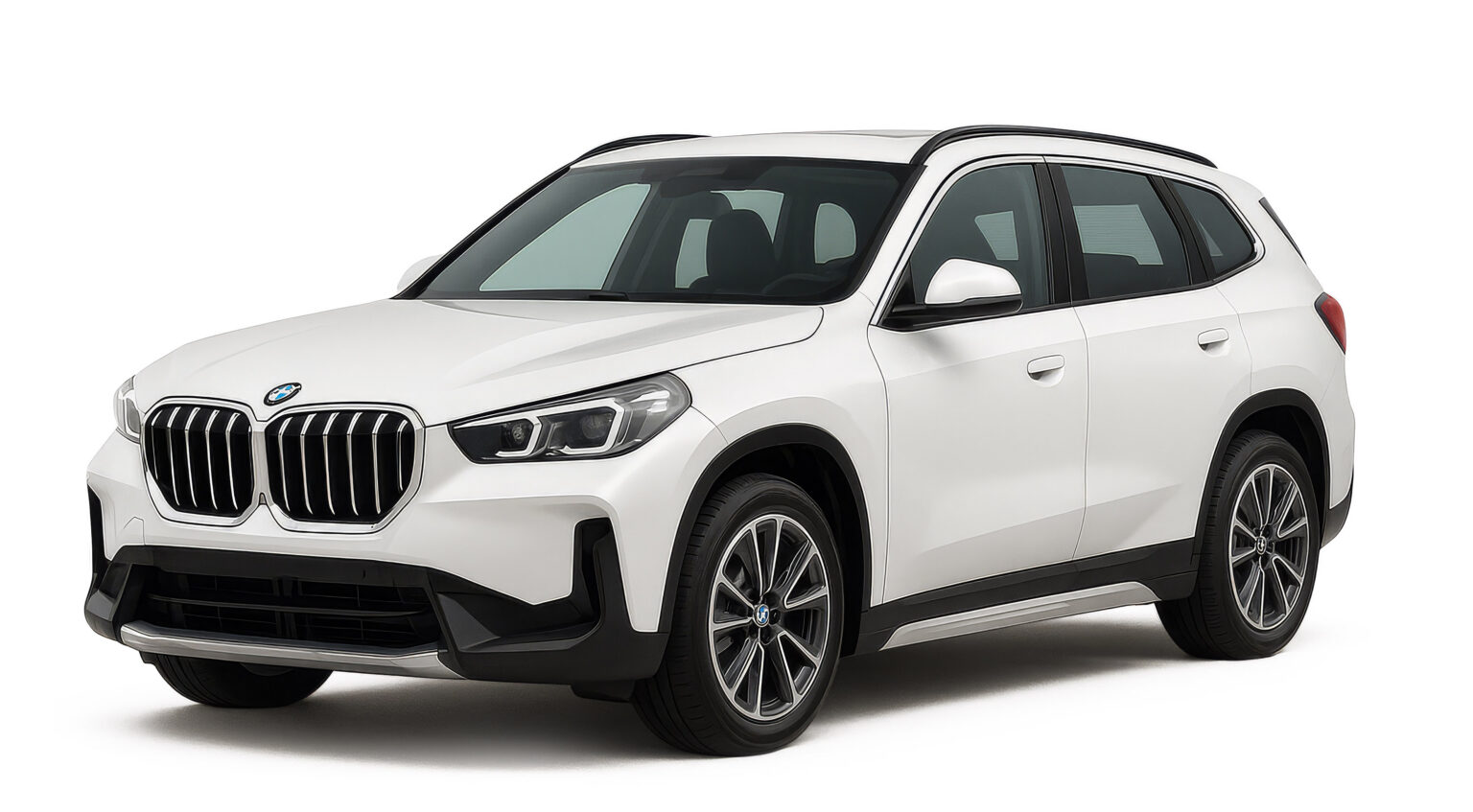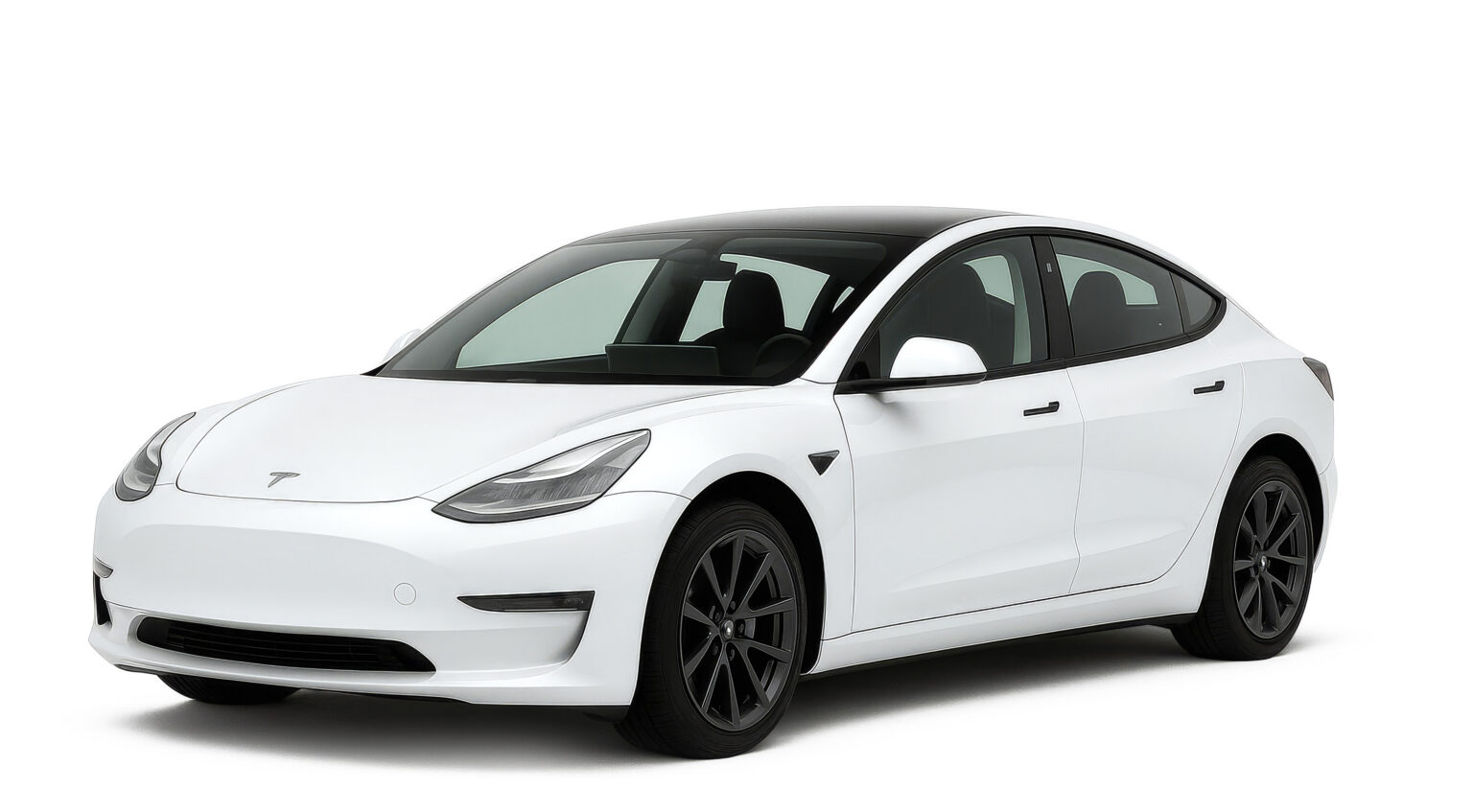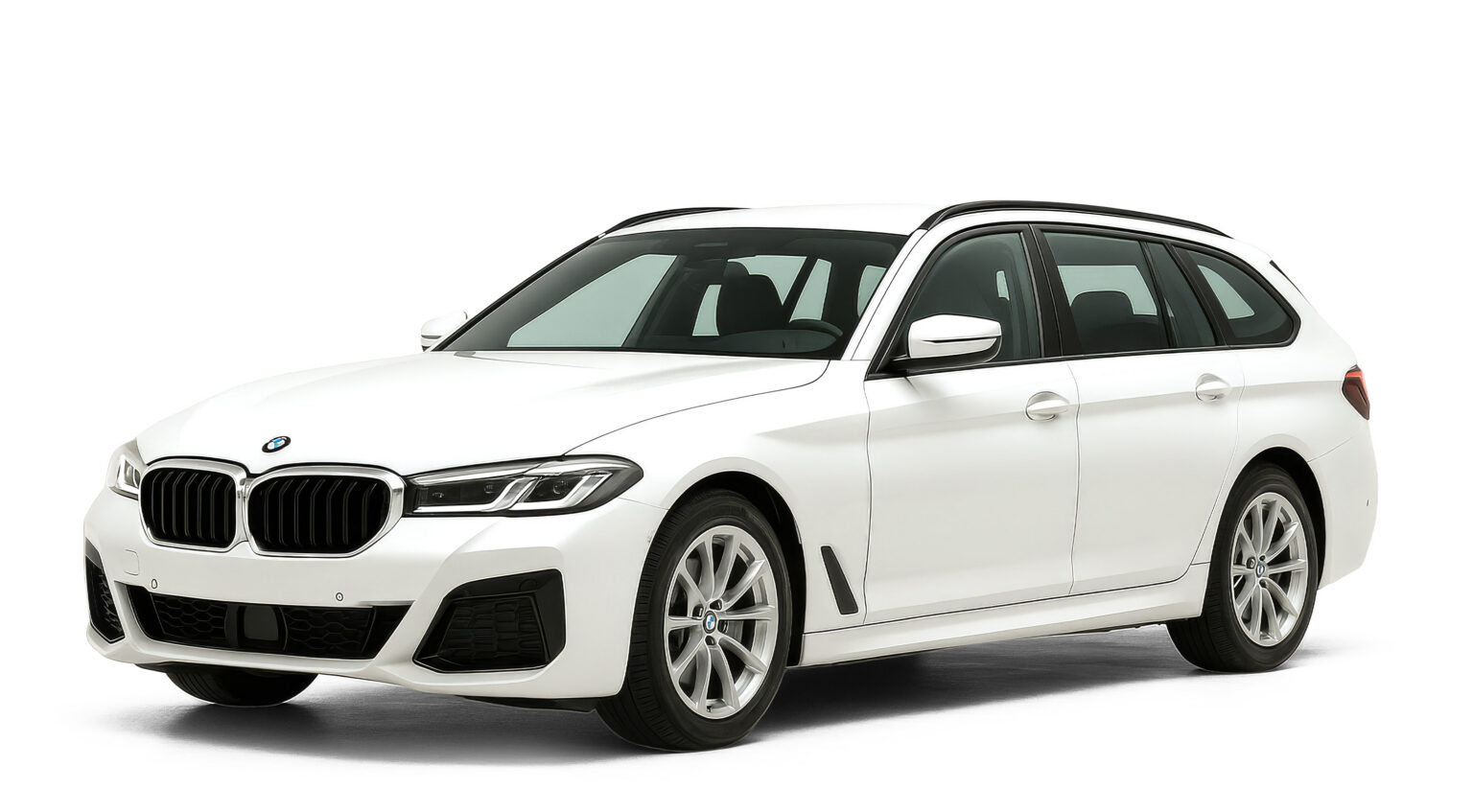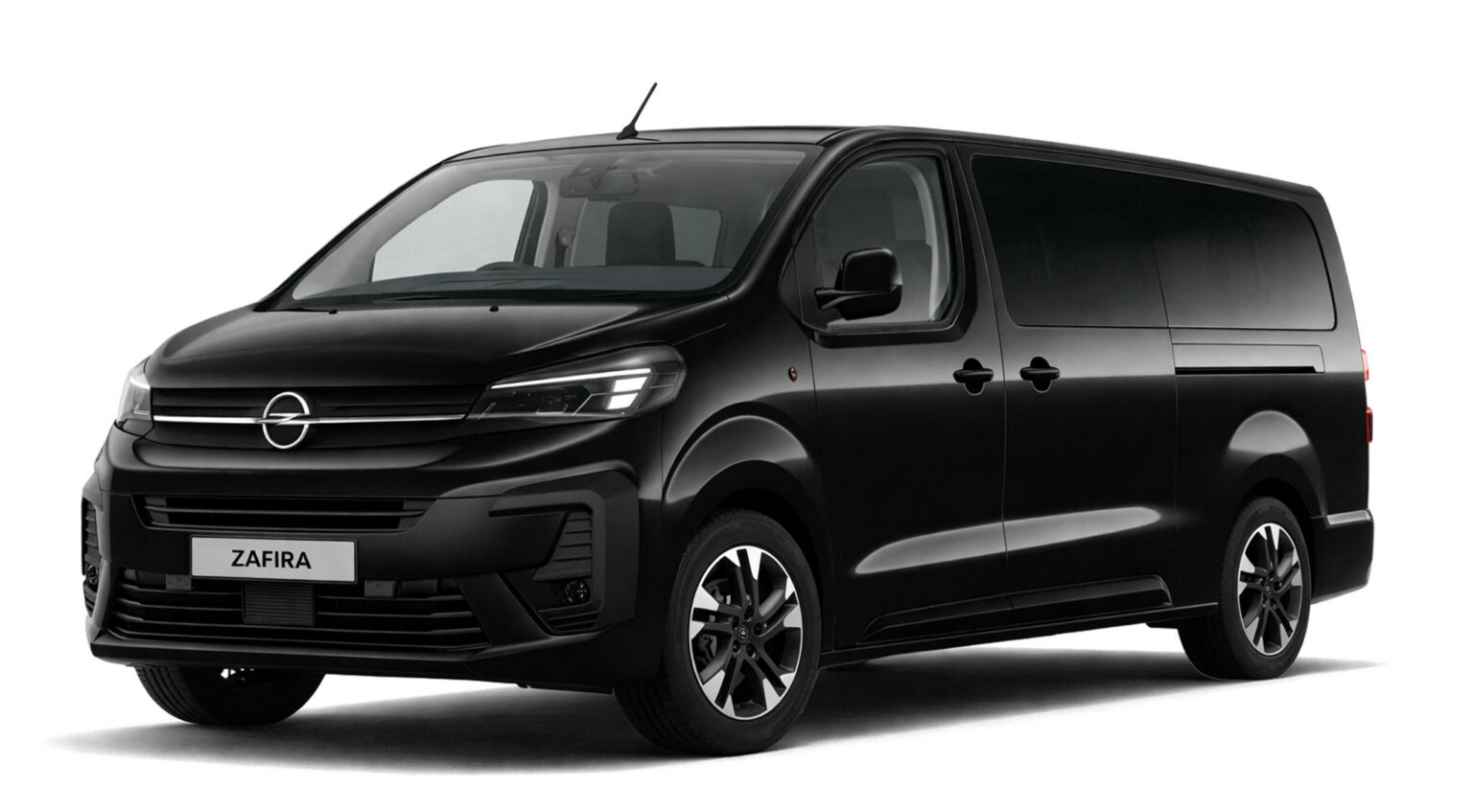

If you need a car for everyday mobility, sooner or later the same question comes up: should you buy a car or take a long-term car rental? More and more people and businesses choose long-term rental because it turns using a car into a simple service — not an obligation. Owning a car may seem self-evident, but the costs and risks that come with it (depreciation, maintenance, tires, repairs, selling) are often higher than people initially expect.
Below are clear reasons to choose long-term car rental and why, in many situations, it is more practical than buying a car.
1. Fixed monthly cost and better budgeting
The biggest advantage of long-term car rental is predictability. You pay an agreed monthly fee and can plan your costs in advance. With buying a car, expenses often come unevenly: insurance in one lump sum, tires in one lump sum, maintenance in one lump sum, an unexpected repair “exactly when it doesn’t suit you.”
2. Fewer unexpected surprises and repair risks
As a car owner, you are responsible if something breaks. With long-term car rental, maintenance and technical support are often better organized, and the risk is largely “spread” into the provider’s system (the exact contents depend on the contract). That means less stress and a lower chance that one repair throws your budget off.
3. Depreciation is not your concern
A car loses value every year, and fastest when it’s new. If you buy a car, you essentially pay for that loss in value yourself. With long-term car rental, you don’t have to think about whether the car’s resale price will drop in the future or whether it will be a “bad time” to sell.
4. No hassle of selling the car
Listings, calls, test drives, price arguments, and time spent — all of that is the “end stage” of car ownership. With long-term car rental, the end is usually simple: you return the car and, if you want, choose a new one.
5. Maintenance and tires are simpler (often as a package)
Many long-term rental solutions consolidate services in one place: maintenance, tire changes, tire storage, etc. Even if not everything is included in the monthly fee, the process is usually simpler because you have one partner and clear rules.
6. A newer car and better safety
With long-term rental you often drive a newer car, which means:
- better safety systems,
- modern driver assistance features,
- a lower likelihood of breakdowns,
- often a more comfortable and quieter ride as well.
7) Flexibility: you can choose a car to match your life, not the other way around
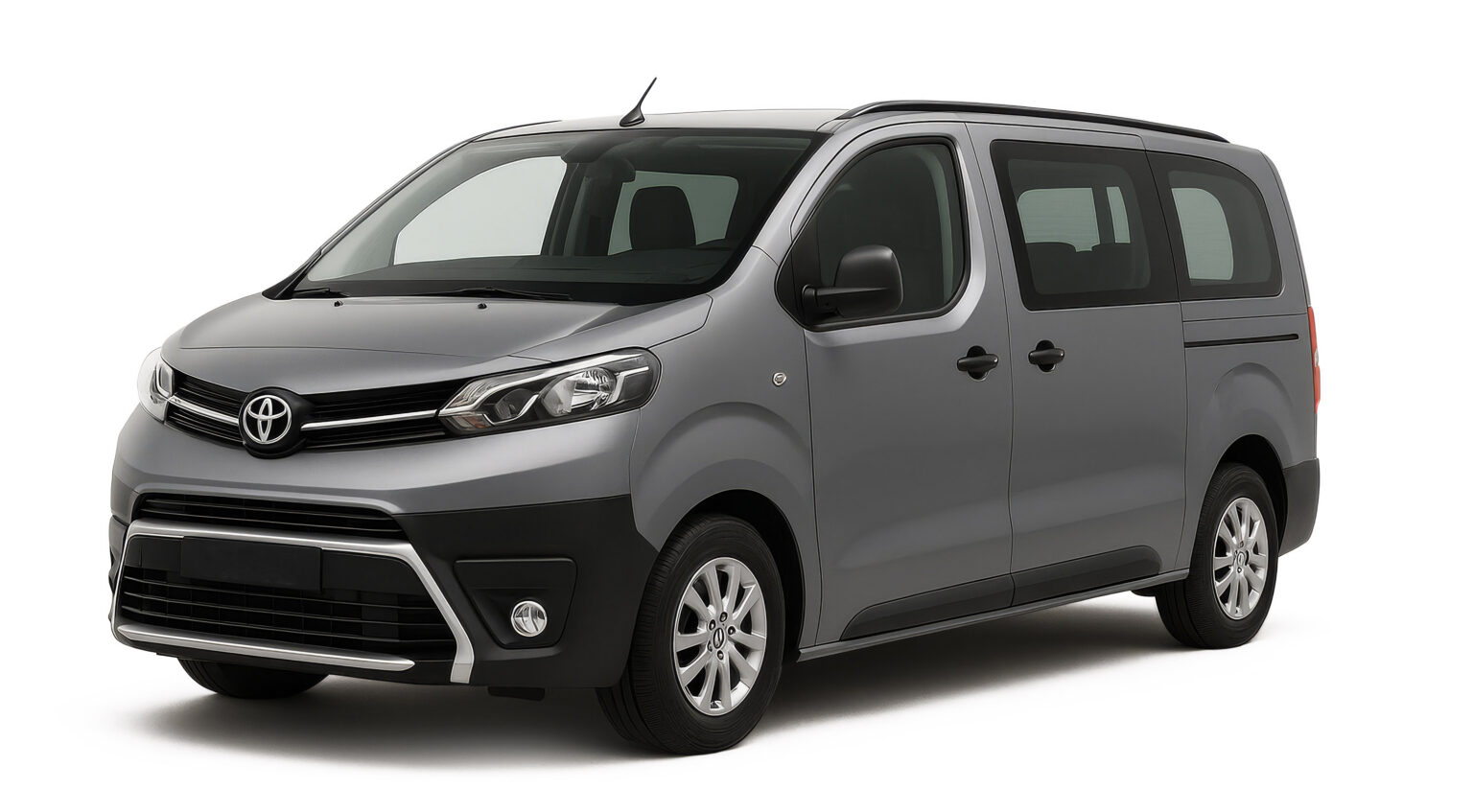
Life changes: your job, family, home, driving needs. When you buy a car, you “lock yourself” into one choice. With long-term car rental, at the end of the period you can choose a different car that fits your new situation better (e.g., larger trunk, a van, an SUV).
8) A good solution for temporary needs, too
If you need a car for 3–12 months (project work, seasonal need, your own car in repair, moving), buying a car would be an unreasonably permanent decision. Long-term car rental is an ideal “bridge solution” for exactly these situations.
9) Easier fleet management for a business
For businesses, long-term car rental is often very logical: costs are predictable and the administrative burden is smaller. That means less time spent on car matters and more time focused on core activities.
10) You save time and nerves
This is a reason that is underestimated. As an owner, you constantly have to decide something: where to service the car, what to fix, whether to buy new tires, whether to sell now or wait. Long-term car rental noticeably reduces that “background noise.”
11) A simpler path to “worry-free mobility”
The idea of long-term rental is that you pay for a service and get a working solution in return. If you like clarity, speed, and simplicity, the rental model usually suits you better than ownership.
Summary
Why choose long-term car rental? Because it gives you:
- a more predictable monthly cost,
- a lower risk of unexpected repair costs,
- less time spent and less administration,
- avoidance of depreciation and the hassle of selling,
- the flexibility to choose a car according to your life stage.